Connections Between Transaction Preferences and Exclusive Content Availability in Mobile Casino Loyalty Networks
Written by Harper Friedrich · Jun 15, 2026
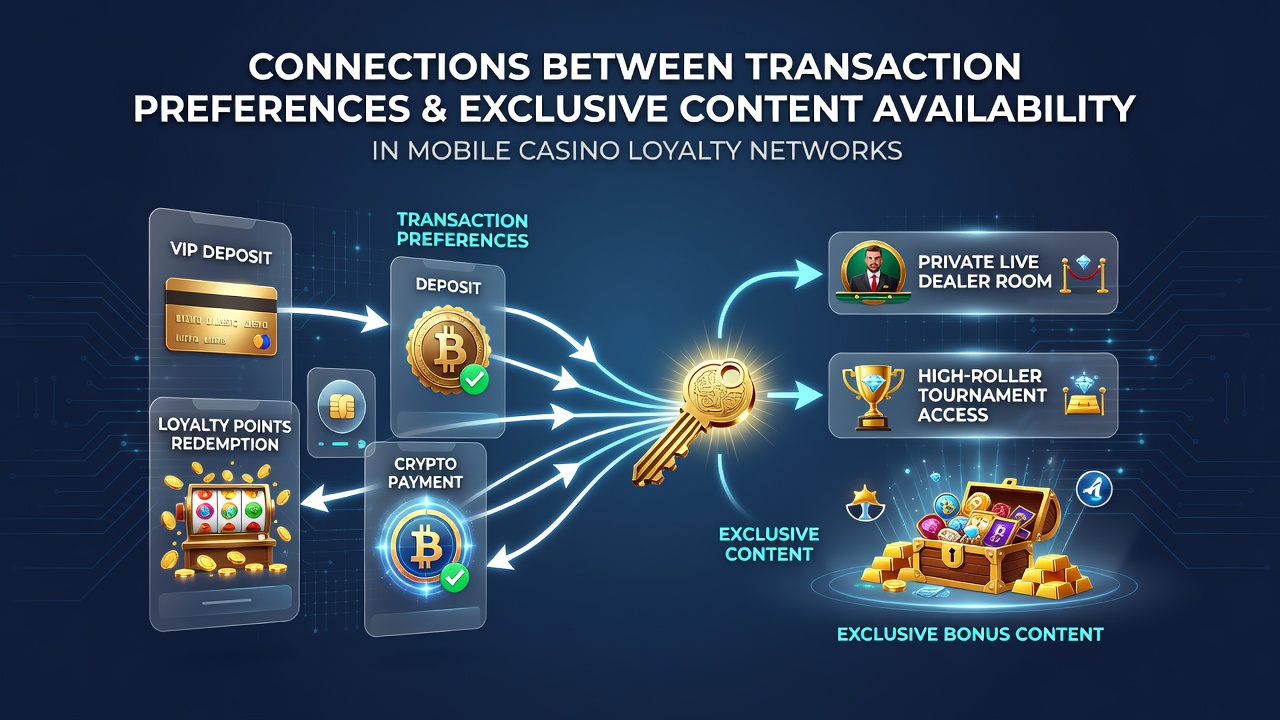
Connections Between Transaction Preferences and Exclusive Content Availability in Mobile Casino Loyalty Networks
Transaction preferences in mobile casino environments directly influence access to exclusive content within loyalty networks, and this connection has become more pronounced as platforms integrate digital wallets, cryptocurrencies, and traditional banking methods into unified player accounts. Research indicates that users who favor instant payment solutions often reach higher loyalty tiers faster because these methods align with automated reward distribution systems that release bonus rounds, private tournaments, and premium game libraries without manual review delays.
Payment Methods and Tier Progression Patterns
Observers note clear patterns where mobile users selecting e-wallets or blockchain transfers accumulate points at accelerated rates compared with those relying on bank transfers or card payments, since processing times affect how quickly loyalty algorithms credit activity. Data from industry reports shows that platforms employing real-time settlement protocols grant early access to invitation-only content such as high-limit slot variants and live dealer tables reserved for top-tier members. Those who've studied user behavior across multiple jurisdictions find that preference for certain digital currencies correlates with quicker progression because transaction logs feed directly into centralized loyalty databases used by operators in regulated markets.
Regional Developments Observed in Mid-2026
By June 2026 several North American and European operators had updated their mobile loyalty frameworks to prioritize transaction speed as a qualifying factor for content unlocks, and figures from state gaming agencies reveal measurable shifts in player distribution across tiers. Canadian regulatory summaries highlight how platforms linking cryptocurrency options to loyalty engines saw increased engagement with exclusive progressive jackpot networks, while similar adjustments in Australian state-licensed apps produced parallel results in tailored game access. Experts tracking these changes point out that seamless payment flows reduce friction points that previously blocked users from premium features, creating measurable differences in content availability based solely on chosen transaction rails.
One study of portable gaming portals revealed that loyalty programs now embed transaction metadata into their reward engines, allowing automatic elevation to content tiers once specific volume or speed thresholds are met. This integration means players opting for low-latency methods encounter fewer barriers when attempting to enter private events or claim personalized bonuses, whereas slower methods trigger additional verification layers that postpone access. Researchers discovered these mechanics operate consistently across both established and emerging markets, producing repeatable outcomes tied directly to payment infrastructure rather than individual play volume alone.
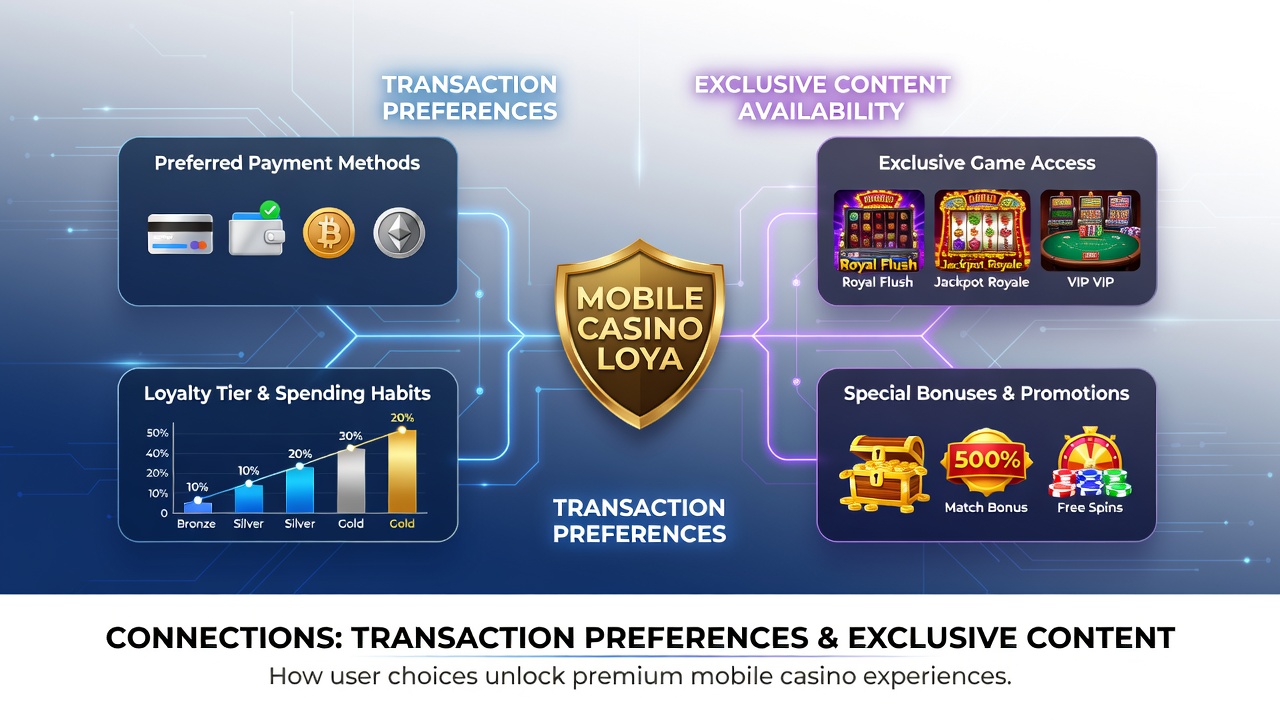
Content Unlocks Tied to Transaction Data
Exclusive content in these networks typically includes early releases of new slot titles, invitation-only tournaments, and customized live dealer environments, all gated behind loyalty algorithms that factor in transaction characteristics. According to aggregated platform analytics, accounts using preferred digital payment rails demonstrate higher rates of progression into these gated areas because the systems automatically log successful, rapid transfers as positive indicators. People who've examined the backend structures report that loyalty engines assign weighted values to transaction speed and method type, which then determine eligibility windows for premium material that remains unavailable to accounts using legacy options.
What's significant is how operators in multiple regions have begun publishing transparency reports that outline these weighting systems without disclosing proprietary code, allowing external analysts to confirm the link between payment preferences and content availability. Data shows that in markets where regulators require clear disclosure of loyalty mechanics, the correlation becomes even more visible, with users who adopt faster transaction methods consistently reaching content milestones ahead of peers using conventional routes. This pattern holds across both Android and iOS deployments, suggesting the relationship stems from platform design choices rather than device-specific variables.
Industry Reports and Regulatory Context
Industry organizations such as the New Jersey Division of Gaming Enforcement have documented rising adoption of integrated payment and loyalty systems, noting that transaction preference data now informs how operators allocate access to restricted game libraries. Similar observations appear in reports from the Gaming Standards Association, where technical working groups examined how digital wallet integrations affect reward distribution timelines. These findings indicate that mobile loyalty networks increasingly treat payment method and processing speed as core variables when calculating eligibility for exclusive material, producing outcomes that can be tracked through anonymized aggregate statistics.
Future Trajectory Based on Current Trends
Current implementations suggest continued refinement of these connections as more platforms adopt standardized APIs for transaction logging, which would further embed payment preferences into content allocation logic. Observers tracking development cycles note that upcoming updates scheduled for late 2026 aim to expand the range of recognized transaction types while maintaining the existing linkage between method choice and tier advancement speed. This evolution maintains focus on measurable transaction attributes rather than subjective player assessments, ensuring content availability remains tied to verifiable data points within the loyalty framework.
Conclusion
The documented relationships between transaction preferences and exclusive content availability demonstrate how mobile casino loyalty networks have evolved to treat payment infrastructure as a functional component of reward systems. Evidence from regulatory summaries and technical analyses confirms that users selecting certain digital methods encounter accelerated pathways to gated material, while platform designs continue to formalize these connections through automated data flows. As operators refine these integrations, the patterns established through 2026 provide a baseline for understanding how transaction characteristics shape access within portable loyalty environments across regulated jurisdictions.