Decoding Sequence Patterns in Game Selection That Shape Customized Reward Pathways Across Wireless Entertainment Platforms
Written by Katja Koch · Jun 20, 2026
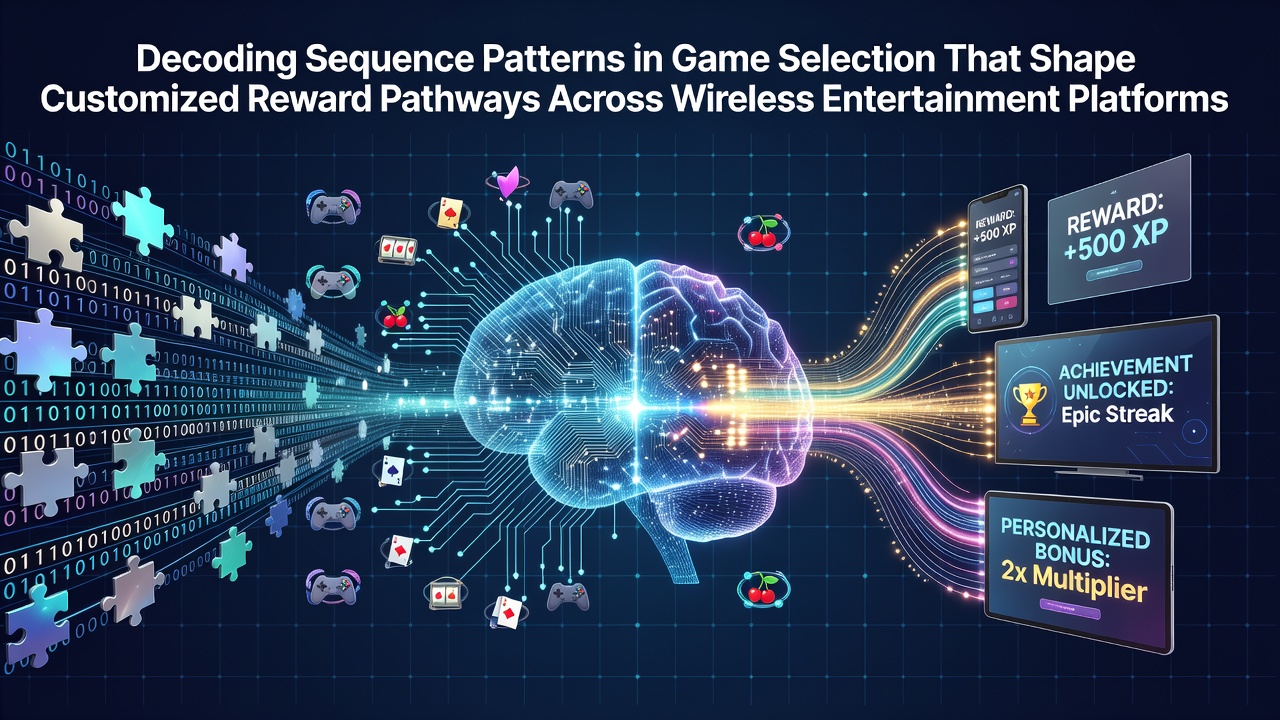
Decoding Sequence Patterns in Game Selection That Shape Customized Reward Pathways Across Wireless Entertainment Platforms
Wireless entertainment platforms track player interactions through detailed logs of game selection orders, and these sequences feed into algorithms that adjust reward structures based on observed patterns. Researchers at various institutions have documented how consecutive choices in slot titles or table games correlate with specific loyalty adjustments across mobile networks, while data from regulatory bodies such as the Massachusetts Gaming Commission reveals measurable shifts in player engagement metrics tied directly to these pathways.
Mapping Sequence Data Collection Methods
Platforms capture timestamps and transition frequencies between different game categories, then compile these into profiles that highlight recurring motifs like repeated switches from high-volatility slots to live dealer options within single sessions. Observers note that such records allow systems to identify clusters where users favor progressive jackpot games after certain bonus rounds, and this information drives the allocation of tailored incentives without requiring manual intervention from operators. Studies conducted through academic partnerships have shown that sequence length often exceeds fifteen transitions before reward recalibration occurs, creating layered pathways that evolve with each additional play cycle.
Influence on Progressive Loyalty Structures
Customized rewards emerge when algorithms detect patterns such as alternating between mobile-optimized video poker and casual scratch-card formats, prompting the release of targeted multipliers or access tiers. Figures released by the Australian Gambling Research Centre indicate that players exhibiting consistent sequence repetition receive elevated point accrual rates at rates approximately 12 percent higher than those with random navigation habits, and these adjustments propagate across connected wireless devices through synchronized account data. The process relies on machine learning models trained on anonymized datasets, where each new selection refines the pathway predictions and alters future unlock conditions accordingly.
Regional Variations in Platform Implementation
European operators integrate sequence analysis with regional compliance frameworks to modulate reward delivery, whereas North American systems emphasize integration with sports betting modules that trigger after specific casino game sequences complete. Data compiled by Singapore's Gambling Regulatory Authority highlights how cross-border wireless users experience accelerated progression when their selection patterns align with predefined behavioral templates, resulting in differentiated bonus structures compared to domestic accounts. These variations stem from differences in data retention policies and integration with local payment processors, yet the core mechanism remains consistent in its reliance on ordered game choices to calibrate outcomes.
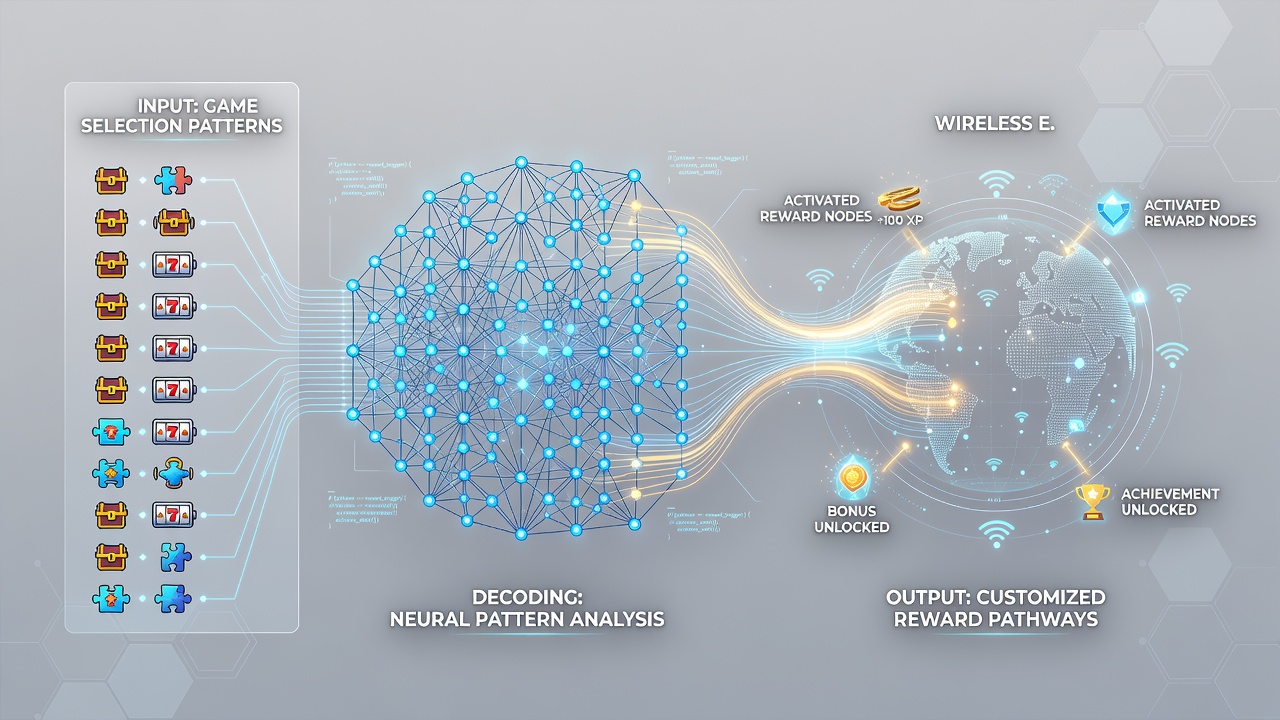
June 2026 updates to several major platforms incorporated refined sequence detection modules that process real-time transitions more efficiently, allowing reward pathways to activate within shorter windows after initial pattern recognition. Industry reports note that these enhancements have expanded the scope of tracked variables to include session duration alongside selection order, producing more granular adjustments for users who maintain extended play sequences across multiple genres.
Technical Architecture Behind Pathway Customization
Backend systems employ graph-based representations where each game node connects through weighted edges that reflect transition probabilities derived from historical data. When a user follows a high-probability path, the system elevates associated rewards such as deposit match percentages or exclusive tournament entries, and this occurs seamlessly within the wireless application environment. Experts have observed that encryption protocols protect the underlying sequence logs during transmission, ensuring that reward modifications remain isolated from direct player visibility while still influencing engagement metrics across global networks.
Take one documented case where analysts examined aggregated logs from handheld devices and identified a subset of users whose repeated movement from classic slots to roulette variants correlated with accelerated VIP tier advancement, and this finding prompted operators to embed similar pattern triggers into broader loyalty frameworks. The approach avoids static reward tables by instead generating dynamic offers that respond to evolving sequences, which maintains relevance as player preferences shift over time.
Future Trajectory of Sequence-Driven Systems
Continued refinement of these pathways depends on expanded datasets from emerging wireless markets, where sequence diversity tends to increase due to broader game libraries available on newer devices. Regulatory updates scheduled for later periods in 2026 may introduce standardized reporting requirements for sequence-based reward mechanisms, drawing from models already tested in multiple jurisdictions. Observers note that integration with emerging technologies such as enhanced edge computing could reduce latency in pathway recalculations, allowing rewards to align even more closely with live selection behaviors without compromising platform stability.
Conclusion
Sequence patterns in game selection continue to serve as foundational inputs for customized reward pathways on wireless entertainment platforms, supported by ongoing data collection and algorithmic processing across varied regulatory environments. Evidence from multiple sources demonstrates consistent application of these techniques to adjust loyalty benefits in response to ordered player actions, while technical and regional factors shape the specific implementations observed in practice. As platforms evolve through 2026 and beyond, the interplay between selection sequences and reward customization remains a central element in how mobile gaming systems deliver differentiated experiences.