Examining Correlations Between Regional Regulations and Customized Game Feature Releases Across Wireless Casino Applications
Written by Alex Schmidt · Jun 29, 2026
Examining Correlations Between Regional Regulations and Customized Game Feature Releases Across Wireless Casino Applications
Regional regulations continue to shape the rollout of customized game features in wireless casino applications, with data from multiple jurisdictions revealing distinct patterns in how operators adapt offerings to comply with local rules while meeting player expectations. Observers note that these connections appear most clearly when comparing markets with varying approaches to bonus structures, loyalty integrations, and content personalization across handheld platforms.
Regulatory Variations Across Key Markets
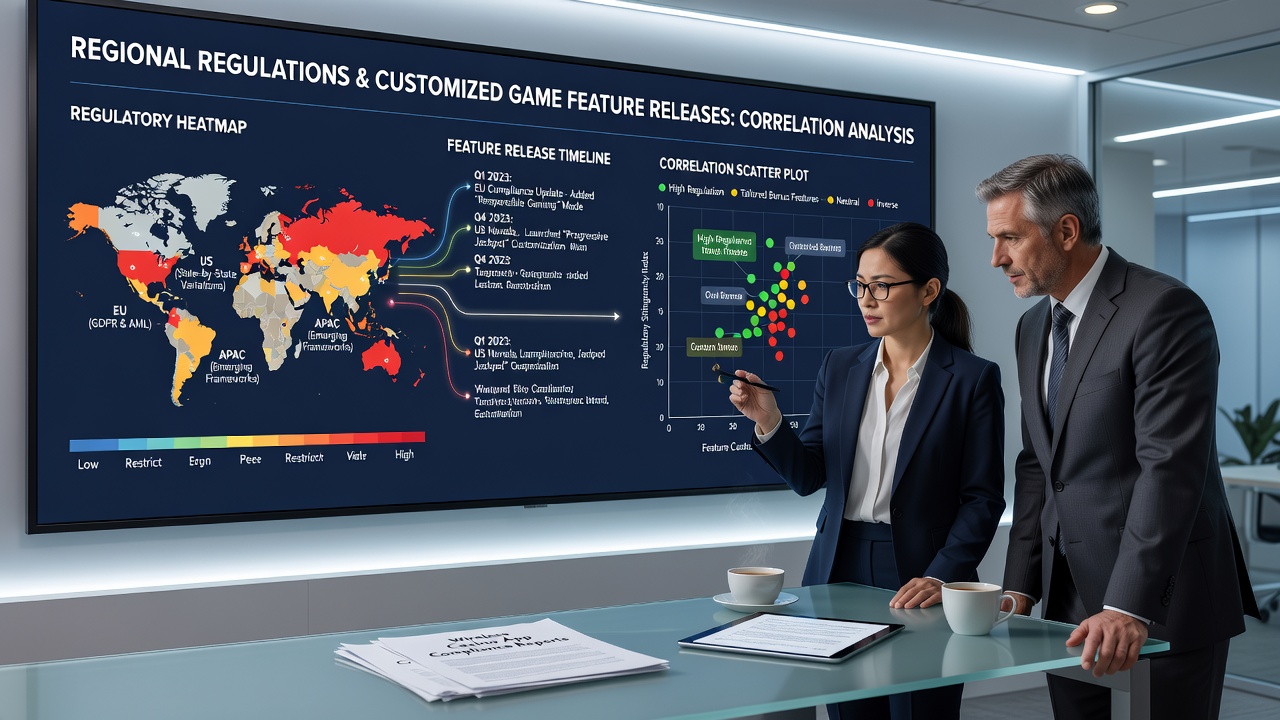
North American jurisdictions demonstrate measurable differences in how rules affect feature availability, and June 2026 data from several state regulators shows operators adjusting mobile interfaces based on specific licensing conditions. In markets with detailed restrictions on promotional mechanics, customized VIP tiers and progressive unlock systems tend to appear less frequently in wireless formats compared to regions allowing broader flexibility. Researchers tracking these trends point to licensing agreements that explicitly limit certain reward mechanics as one driver behind reduced customization options in particular apps.
European frameworks present another layer of influence, where data protection requirements and responsible gaming mandates often require operators to modify game features before launch. Studies from industry monitoring groups indicate that apps serving multiple EU member states frequently deploy region-locked customizations to align with each country's implementation of shared directives, creating noticeable variations in loyalty progression paths and bonus eligibility within the same application.
Observed Patterns in Feature Customization
Analysis of app updates across 2025 and into mid-2026 reveals that operators in heavily regulated environments release tailored game elements at slower intervals than those in more permissive settings. Figures from compliance reports show that features such as personalized slot themes, dynamic jackpot contributions, and location-based loyalty rewards undergo additional review cycles when regulations emphasize consumer protection or transaction transparency. Those who've examined release timelines find that these extended processes correlate with fewer unique adaptations reaching users in stricter markets during any given quarter.

Asia-Pacific markets add further examples of this dynamic, where government oversight of gaming content leads operators to standardize certain elements while permitting limited customization in approved areas. Data compiled by regional industry associations shows that wireless applications targeting these jurisdictions often limit advanced personalization options to those explicitly cleared through licensing channels, resulting in more uniform feature sets compared to apps serving less restrictive territories.
Data Sources and Industry Tracking
Multiple organizations compile information that helps map these relationships. The New Jersey Division of Gaming Enforcement publishes monthly reports detailing approved mobile features and any modifications required for compliance, while the New Jersey Division of Gaming Enforcement continues to update its records on application changes through June 2026. Additional insights come from academic analyses of regulatory impact studies conducted by research institutions examining digital gambling markets in Canada and Australia, where public datasets allow comparison of feature availability against rule changes over time.
These records demonstrate that operators respond to regulatory signals by adjusting release strategies, often prioritizing standardized versions in markets with complex approval processes and reserving more customized experiences for jurisdictions with clearer pathways. Industry organizations such as the European Gaming and Betting Association have documented similar patterns across member states, noting how differing national implementations influence the pace at which new mobile features reach players.
Conclusion
The connections between regional regulations and customized game feature releases in wireless casino applications appear consistently across available compliance data and industry tracking reports. Jurisdictions with detailed rules around promotions and personalization show measurable differences in rollout frequency compared to those with broader allowances, and these patterns hold across North American, European, and Asia-Pacific markets. Continued monitoring of regulatory updates and app modification records will likely provide further clarity on how these factors interact moving forward.