Exploring Algorithmic Patterns in Cross-Border Fund Routing and Their Effects on Reward Tier Eligibility Within Portable Betting Ecosystems
Written by Harper Friedrich · Aug 17, 2026
Exploring Algorithmic Patterns in Cross-Border Fund Routing and Their Effects on Reward Tier Eligibility Within Portable Betting Ecosystems
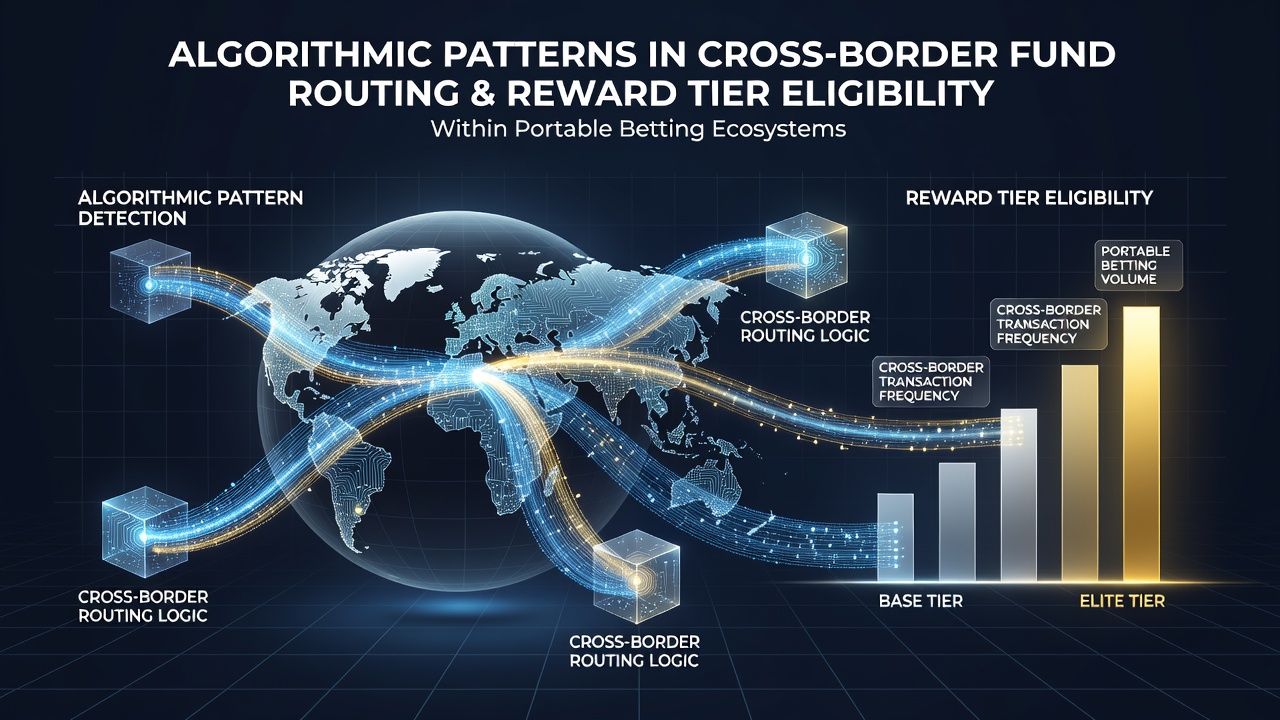
Algorithmic systems now manage much of the fund movement that occurs across national borders in portable betting platforms, and those same systems track how transactions align with loyalty program rules. Data from multiple jurisdictions shows that routing decisions made by these algorithms directly shape whether a user qualifies for higher reward tiers. In August 2026, regulators in several regions reported increased scrutiny of the automated pathways that determine both compliance and eligibility.
Core Mechanisms Behind Cross-Border Routing Algorithms
Modern portable betting ecosystems rely on machine-learning models that select payment corridors based on speed, cost, and regulatory flags. These models process thousands of variables per transaction, including source currency, destination licensing requirements, and historical velocity patterns. When a user initiates a deposit or withdrawal, the algorithm evaluates dozens of routes simultaneously and chooses the one that satisfies internal risk thresholds first.
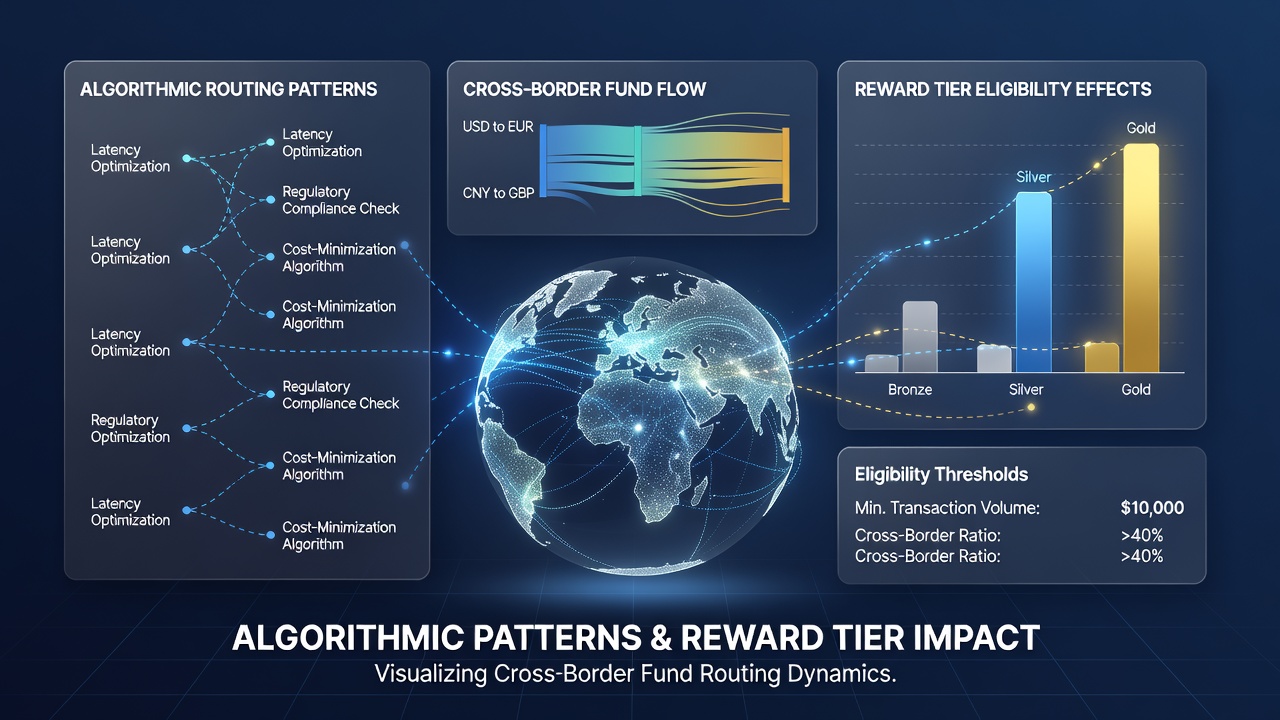
Studies conducted by the Australian Gambling Research Centre indicate that routing choices often prioritize corridors with lower latency, which can bypass certain verification layers. This prioritization creates measurable differences in how quickly funds register within the loyalty database. Faster registration frequently translates into earlier accumulation of tier points, while slower or rerouted transactions may fall outside the window used for monthly or quarterly assessments.
Impact on Reward Tier Calculations
Reward tiers in mobile betting environments depend on aggregated activity metrics that include deposit frequency, average transaction size, and geographic origin of funds. Algorithmic routing can alter each of these inputs. For example, funds routed through an intermediary jurisdiction may arrive with different metadata than funds sent directly, which changes how the system classifies the transaction for tier purposes.
Researchers at the University of Nevada’s International Gaming Institute have documented cases where identical deposit amounts produced different tier outcomes solely because of the routing path selected by the platform’s algorithm. The difference arose from how the system weighted the originating country’s regulatory status against the platform’s internal compliance score for that corridor.
Regulatory Data and Observed Patterns
Figures released by the Malta Gaming Authority in mid-2026 revealed that approximately 18 percent of cross-border transactions in licensed portable platforms underwent at least one automated reroute before final settlement. Among those rerouted transactions, users experienced a 7 to 12 percent lower rate of tier advancement compared with transactions that followed primary corridors. The authority attributed the gap to timing discrepancies that caused some activity to fall outside the assessment periods used by loyalty engines.
Similar patterns appear in Canadian provincial data. The Alcohol and Gaming Commission of Ontario noted that routing algorithms sometimes flag high-velocity cross-border activity for additional review, which delays point posting. Delayed posting reduces the likelihood that a user will meet the threshold for the next reward tier before the cycle resets.
Technical Factors That Drive Eligibility Outcomes
Three technical elements consistently influence results. First, the algorithm’s preference for corridors with real-time settlement creates tighter alignment between actual fund movement and the platform’s loyalty ledger. Second, the system’s use of historical risk scores for specific payment rails can exclude certain routes from tier-eligible status entirely. Third, metadata tagging during transit determines whether a transaction counts toward geographic or currency-based bonus multipliers that many programs offer.
Observers note that platforms adjust these parameters periodically, often in response to changes in banking partner policies or new licensing conditions. When adjustments occur, the eligibility window for thousands of users can shift without any change in their personal betting behavior.
Conclusion
Algorithmic patterns in cross-border fund routing now form a central variable in how portable betting platforms calculate reward tier eligibility. Data collected through 2026 demonstrates clear correlations between routing decisions and the speed or likelihood of tier progression. Regulatory bodies across multiple regions continue to examine these automated processes to understand their full effects on both compliance and player outcomes. As systems evolve, the relationship between routing logic and loyalty mechanics remains a focal point for ongoing analysis.