How Authentication Protocols Shape Personalized Game Options in App-Based Reward Programs
Written by Ines Richter · Jun 22, 2026
How Authentication Protocols Shape Personalized Game Options in App-Based Reward Programs
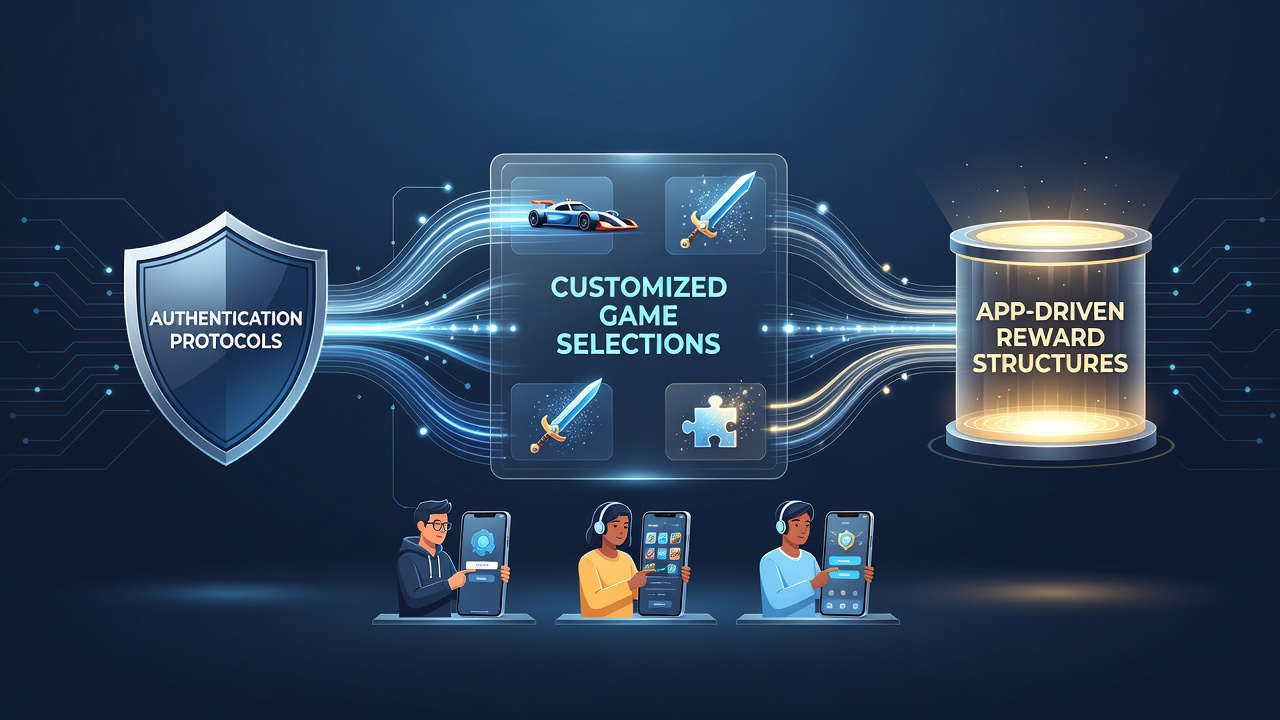
Authentication protocols form the foundation that links user verification steps directly to the algorithms responsible for selecting games within mobile applications that run reward structures, and this connection has grown more pronounced as platforms expand their digital offerings through June 2026.
Core Components of Authentication in Mobile Environments
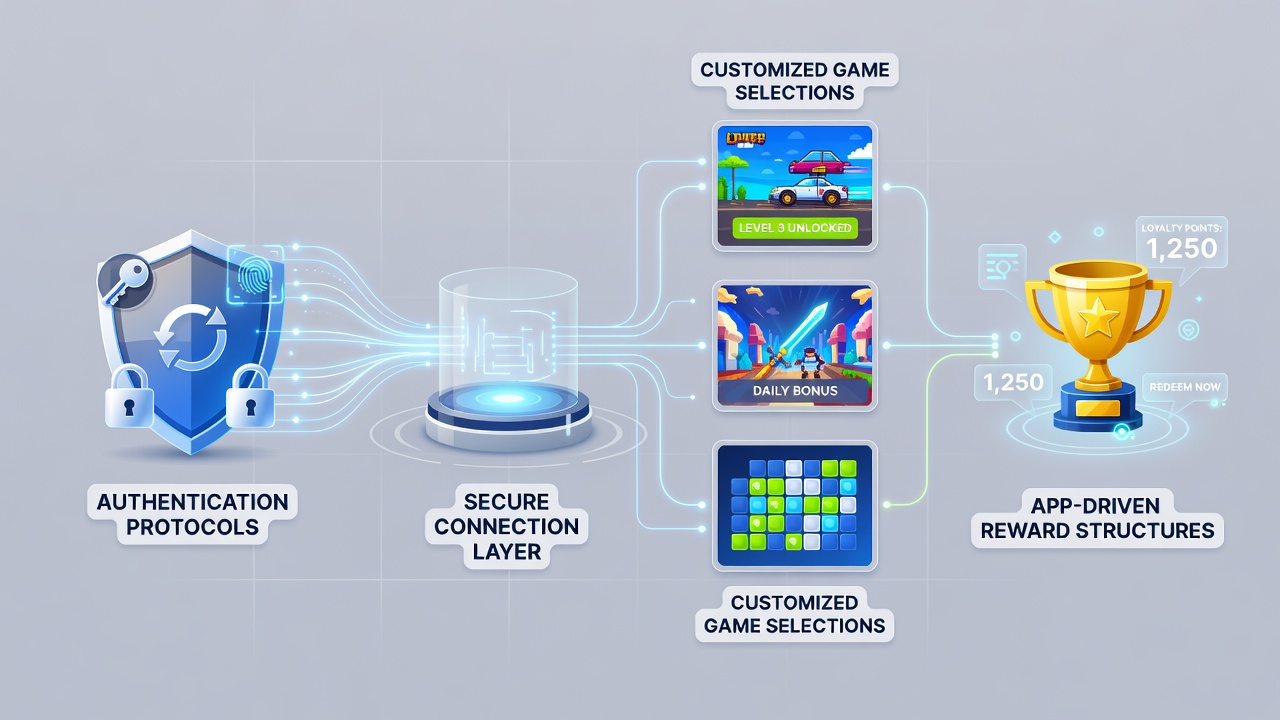
Protocols such as OAuth 2.0, OpenID Connect, and biometric verification methods collect verified identity data at login, which then feeds into backend systems that track player preferences and activity patterns, while multi-factor authentication adds layers that confirm user legitimacy before any reward personalization occurs. Observers note that these steps prevent unauthorized access and simultaneously create secure data pipelines, allowing apps to map verified accounts to historical game interactions without risking data breaches or mismatched recommendations.
Research indicates that platforms using token-based authentication experience smoother transitions between login and content delivery, because tokens carry encrypted user profiles that reward engines reference instantly when suggesting tailored game selections like progressive slots or live dealer tables aligned with past behavior.
Linking Verified Identities to Reward Customization
Once authentication succeeds, the resulting profile data integrates with loyalty frameworks that assign points, unlock tiers, and generate game recommendations based on frequency of play, bet sizes, and session durations. Studies from the International Gaming Institute show that authenticated sessions enable real-time adjustments where reward structures prioritize games matching individual patterns, such as offering bonus rounds in titles a user has engaged with repeatedly, and this process relies on secure handoffs between authentication servers and the app's personalization modules.
Experts have observed that without robust protocols like SAML for enterprise-level verification, reward systems risk serving generic selections that fail to engage users, whereas verified connections allow dynamic updates, for instance adjusting available jackpot chases or VIP exclusives as activity data accumulates across devices.
Data Flow and Security in App-Driven Structures
Authenticated users generate streams of interaction metrics that reward algorithms process to refine game selections, and encryption standards within protocols ensure these metrics travel securely between the app, cloud servers, and analytics tools. Data shows that applications employing end-to-end authenticated flows report higher accuracy in matching rewards to preferences, because the initial verification establishes a trusted chain that persists through multiple sessions without repeated full logins.
Platforms in regions monitored by the Nevada Gaming Control Board have implemented similar authentication layers that tie directly into progressive loyalty benefits, resulting in game unlocks that reflect verified spending and play history while maintaining compliance with data protection rules.
Practical Integration Examples Across Platforms
One documented case involves a major mobile gaming operator that integrated biometric authentication with its reward dashboard, allowing the system to surface exclusive content such as themed slot tournaments only after confirming user identity through fingerprint or facial recognition. Figures from industry reports reveal that such integrations increased session retention metrics because players encountered selections aligned precisely with their established habits rather than broad category suggestions.
Another example comes from Australian market operators who adopted federated authentication standards, enabling cross-app reward portability where verified profiles carried over customized game lists and loyalty perks between partnered titles, and this approach reduced friction while preserving the integrity of tier progression data.
Emerging Trends Through Mid-2026
By June 2026, advancements in zero-knowledge proof authentication have started appearing in select reward apps, permitting personalization engines to access preference data without exposing raw identifiers, which strengthens both security and the precision of game recommendations. Those who've studied these developments note that the technology supports more granular reward structures, such as unlocking specific live dealer variants based on subtle behavioral signals captured during authenticated play.
Industry associations including the American Gaming Association have published overviews of how these protocols reduce fraud risks that could otherwise disrupt reward distribution, and the same frameworks help maintain accurate tracking of customized selections across global user bases.
Conclusion
Authentication protocols and customized game selections operate as interconnected elements within app-driven reward structures, where verified access enables the data flows that power personalization while upholding security standards across mobile platforms. Evidence from regulatory and academic sources continues to highlight these linkages as central to efficient loyalty program management through 2026 and beyond.