How E-Wallet Selections Shape No-Deposit Reward Eligibility in Smartphone Live Dealer Networks
Written by Clara Neumann · Aug 24, 2026
How E-Wallet Selections Shape No-Deposit Reward Eligibility in Smartphone Live Dealer Networks
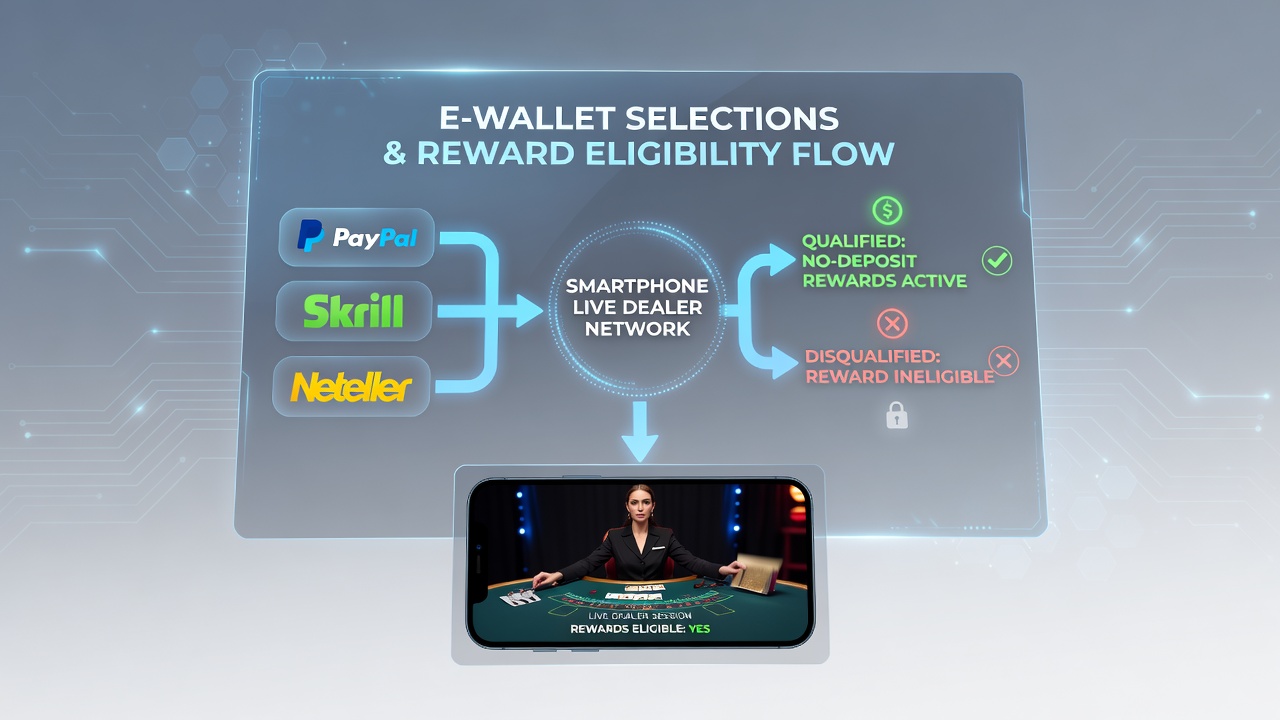
Smartphone live dealer networks rely on digital payment systems to process transactions and determine player access to promotional offers, and e-wallet selections play a direct role in eligibility for no-deposit rewards. Operators evaluate wallet type, verification speed, and regional compatibility when assigning these incentives, which allow users to receive bonus credits or spins without an initial deposit. Data from mobile gaming platforms in 2026 shows that certain wallets accelerate approval while others trigger additional checks that delay or block reward activation.
E-Wallet Categories and Platform Integration
Popular e-wallets in smartphone casino environments include services focused on instant transfers, cryptocurrency-linked options, and traditional banking apps with digital interfaces. Each category carries distinct processing characteristics that affect how quickly a player profile qualifies for no-deposit promotions. Platforms integrate APIs from these providers to monitor transaction history, account age, and geographic compliance, creating automated flags that influence reward distribution.
Research indicates that wallets supporting real-time KYC verification reduce processing times by up to 40 percent compared to those requiring manual document uploads. In August 2026, several major networks updated their systems to prioritize wallets with embedded biometric authentication, leading to higher eligibility rates for users who selected those options during onboarding.
No-Deposit Reward Structures in Live Dealer Settings
No-deposit rewards in live dealer networks typically appear as cashable credits, free rounds on table games, or loyalty points convertible to bonus funds. Eligibility hinges on factors such as player location, device type, and payment method history rather than deposit volume. Smartphone interfaces track these variables through backend algorithms that cross-reference wallet data with regulatory requirements in licensed jurisdictions.
Operators segment rewards by wallet category because some providers maintain stricter anti-money laundering protocols that align with network standards. This segmentation allows platforms to extend offers more readily to users whose wallets demonstrate consistent compliance records across multiple sessions.
Direct Influence of Wallet Choice on Eligibility
Selection of a particular e-wallet at registration directly feeds into the eligibility matrix for no-deposit rewards. Wallets with established partnerships to gaming operators often bypass secondary verification layers, while lesser-integrated options prompt manual reviews that can extend beyond 48 hours. Observers note that players using wallets optimized for mobile casino traffic receive automated approval notifications within minutes of account creation.
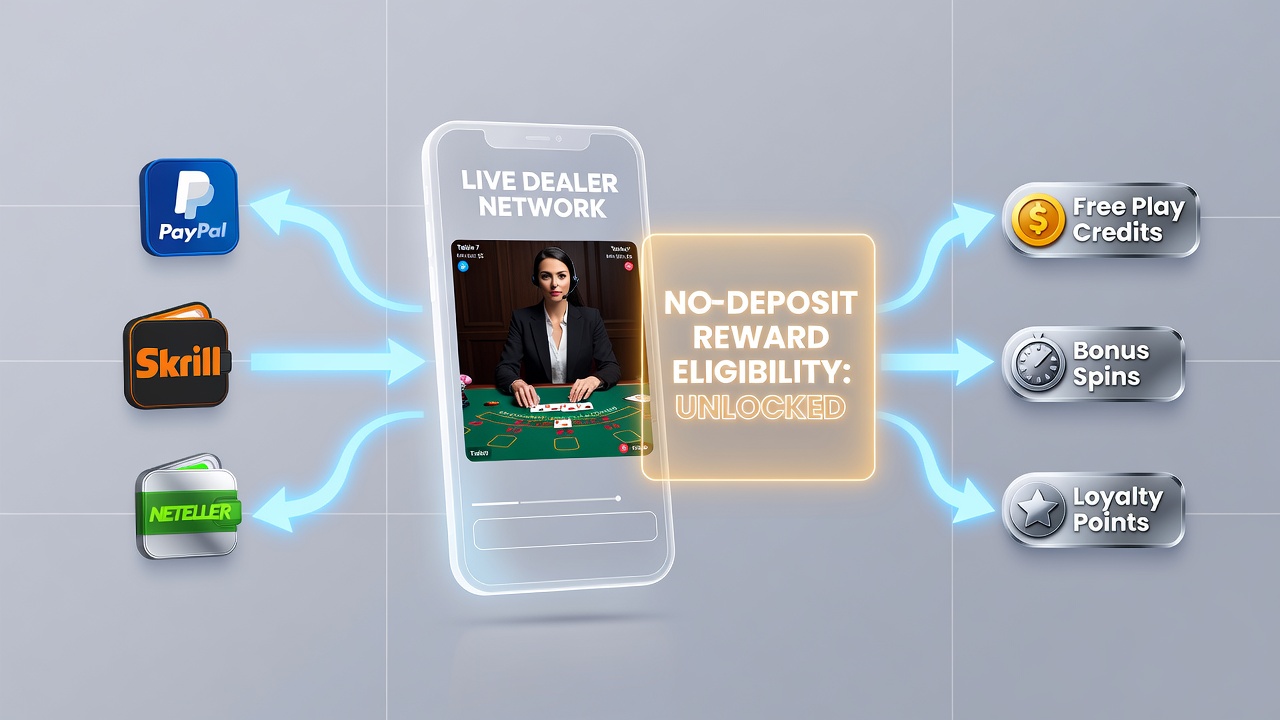
Transaction velocity and wallet origin country also factor into these decisions. Networks operating in multiple regions apply location-based rules that favor wallets licensed under the same regulatory frameworks, which streamlines eligibility checks. Figures from industry reports reveal that users who switch wallets mid-session sometimes lose pending reward access until the new method completes its own verification cycle.
Regulatory and Security Protocols Affecting Access
Regional gaming authorities require operators to maintain audit trails linking payment methods to player accounts, and this requirement shapes how e-wallet choices determine reward availability. In markets with stringent oversight, platforms restrict no-deposit offers to wallets that provide full transaction logs compatible with reporting standards. American Gaming Association resources detail how such compliance measures influence promotional structures across U.S. states with legalized mobile gaming.
Security features embedded in e-wallets, including encryption standards and fraud detection layers, further affect eligibility. Networks prioritize wallets whose security profiles match internal risk thresholds, allowing faster reward activation for qualifying users. A 2026 analysis of smartphone live dealer traffic showed measurable differences in reward claim rates based on these technical alignments.
Examples from Network Operations
One documented case involved a network that adjusted its reward algorithm in early 2026 to grant priority eligibility to users of wallets supporting instant cross-border transfers. Players who had previously faced delays saw immediate access after updating their payment preferences. Similar adjustments occurred in networks serving European and Asian markets, where local e-wallet regulations dictated different eligibility pathways.
Another instance tracked how cryptocurrency-enabled wallets influenced reward distribution in jurisdictions permitting digital assets. Those wallets often carried higher eligibility scores because their transparent ledger systems simplified compliance verification for operators.
Conclusion
E-wallet selections continue to serve as a key variable in determining no-deposit reward eligibility within smartphone live dealer networks. Platform algorithms, regulatory requirements, and technical integrations all converge on payment method data to automate access decisions. As networks refine these systems through 2026 and beyond, the relationship between wallet choice and promotional availability remains a central operational consideration for both operators and players. iGaming Ontario reports provide additional context on how these dynamics evolve under varying regulatory conditions.