Patterns in Introductory Reward Structures Shaping Sustained Engagement with Interactive Simulations Across Portable Platforms
Written by Alex Schmidt · Jul 29, 2026
Patterns in Introductory Reward Structures Shaping Sustained Engagement with Interactive Simulations Across Portable Platforms
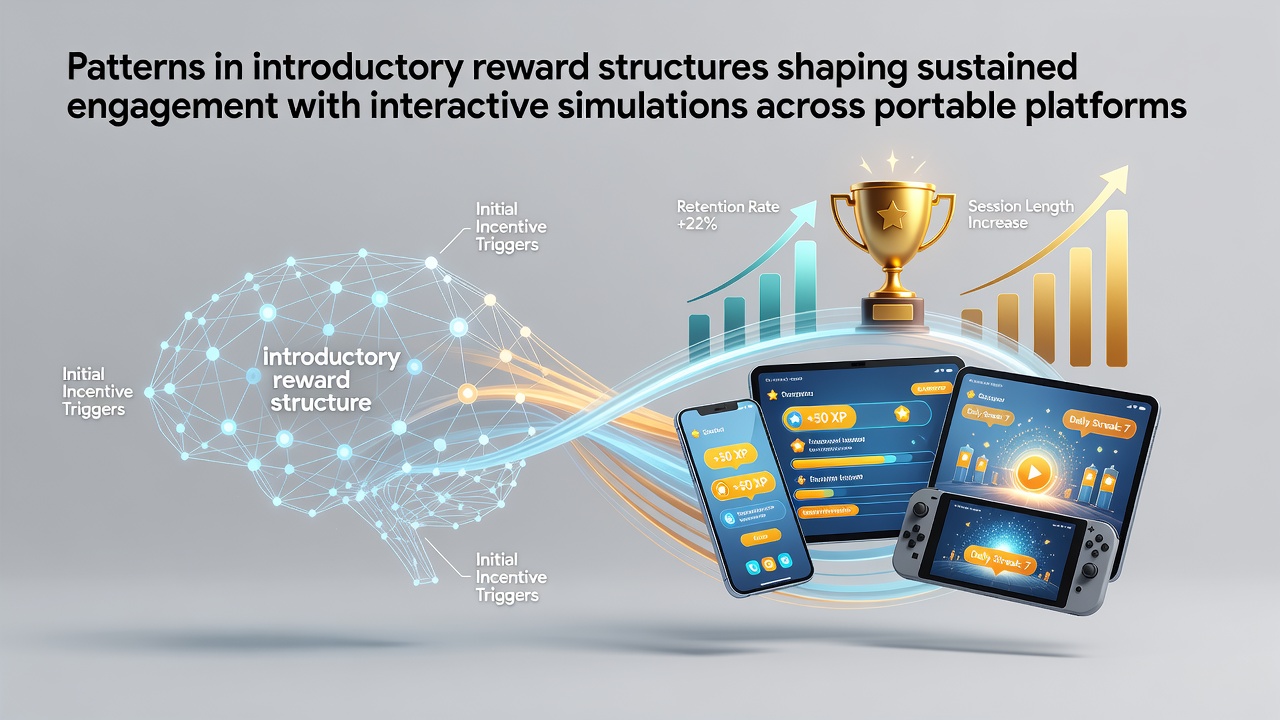
Introductory reward structures in mobile applications establish early patterns that influence how users maintain interaction over extended periods, and research from various institutions shows these initial incentives often determine retention rates across different device ecosystems. Data collected from app analytics platforms indicates that users who receive structured onboarding rewards within the first session demonstrate higher completion rates for tutorial sequences, while subsequent engagement metrics reveal connections between reward frequency and daily active use.
Core Components of Early Reward Systems
Interactive simulations on portable platforms typically deploy layered reward mechanisms that begin with immediate feedback loops such as points accumulation, virtual item unlocks, and progress milestones, and these elements combine to create momentum that carries users beyond initial curiosity. Studies conducted by academic teams at institutions in North America and Europe have documented how variable reward schedules, modeled after established behavioral frameworks, produce stronger adherence compared to fixed interval distributions, particularly when users operate across both iOS and Android environments. Observers note that the timing of first rewards proves critical, with delivery within thirty seconds of app launch correlating to improved session lengths in multiple platform datasets.
One research project tracking thousands of participants found that simulations incorporating personalized reward selection options during onboarding achieved sustained weekly engagement levels twenty percent above those using standardized offerings, and this pattern held consistent through mid-2026 monitoring periods. Developers have adjusted algorithms accordingly, incorporating user preference signals collected during setup to refine subsequent reward pathways without disrupting core simulation flow.
Cross-Platform Behavioral Patterns
Portable device ecosystems display distinct yet overlapping responses to introductory rewards, with Android users often responding more readily to cumulative point systems that translate across multiple applications, whereas iOS cohorts show stronger retention when rewards tie directly to narrative progression within single simulations. Figures released in July 2026 by industry monitoring groups highlighted a convergence in engagement curves after the first fourteen days, suggesting that well-designed introductory structures overcome initial platform differences through adaptive reward scaling. Those who analyzed aggregated telemetry from major app stores observed that seamless synchronization of reward status between devices further extended user lifecycles, especially when cloud-based profiles preserved early achievements.
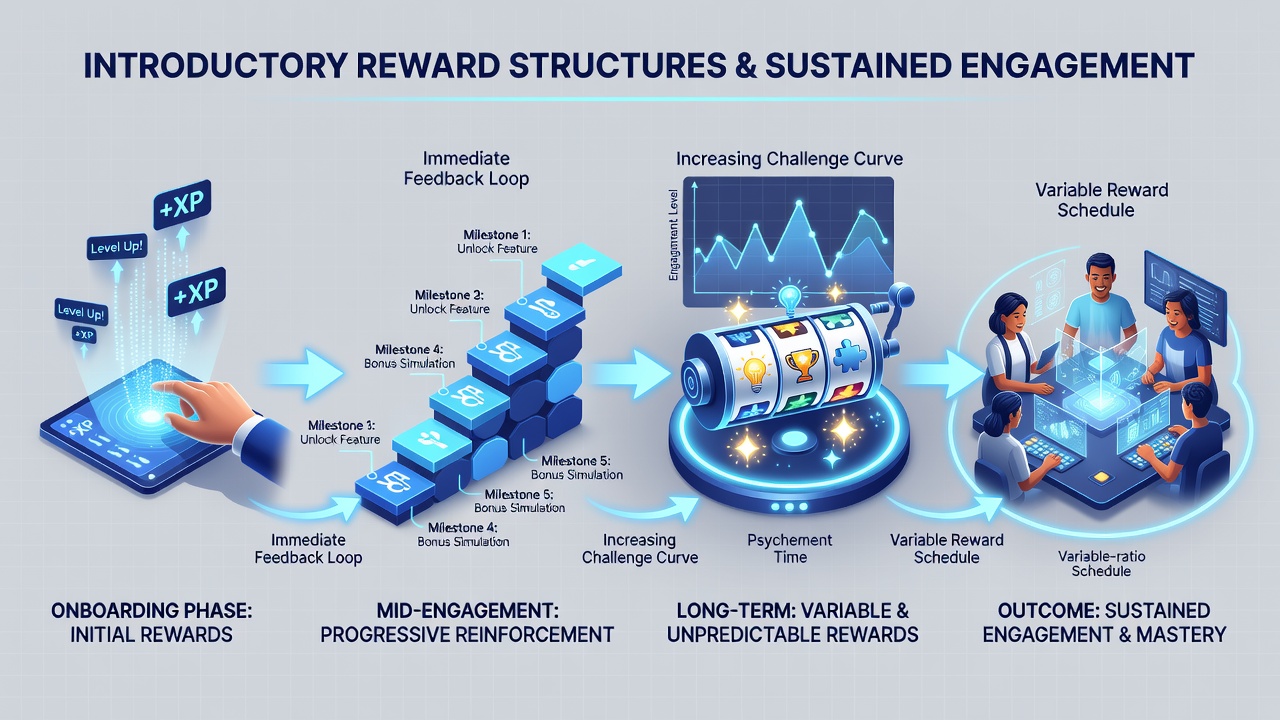
Researchers at several universities have mapped these dynamics through controlled trials, and results indicate that reward structures emphasizing mastery feedback rather than simple accumulation tend to produce longer-term commitment across age demographics. Data from the Entertainment Software Association underscores rising participation in simulation-based applications on handheld devices, with particular growth in educational and skill-building categories that rely on graduated reward frameworks.
Measurement of Sustained Interaction
Retention analytics across portable platforms reveal that introductory reward density influences not only immediate return rates but also deeper metrics such as feature exploration depth and social sharing frequency, and longitudinal studies confirm these effects persist for months when early structures align with user goals. Analysts tracking July 2026 performance indicators reported that applications refining reward introduction sequences based on real-time behavioral data achieved measurable lifts in thirty-day retention compared to static designs. Patterns emerge most clearly when comparing cohorts exposed to different onboarding variants, with evidence pointing toward hybrid models that blend immediate gratification with deferred achievement pathways as particularly effective for maintaining engagement velocity.
Organizations focused on digital interaction research, including reports referenced by the Pew Research Center, document broader trends in mobile application usage that intersect with these reward dynamics, showing how initial positive experiences compound into habitual patterns. Simulation developers continue to iterate on these findings by testing variations in reward presentation timing and visual emphasis, adapting approaches to regional usage differences observed in global datasets.
Conclusion
Introductory reward structures function as foundational elements that shape ongoing user interaction within mobile interactive simulations, and accumulated evidence from platform data, academic inquiries, and industry reports demonstrates consistent relationships between early design choices and sustained engagement outcomes. Continued observation through 2026 and beyond will clarify how evolving device capabilities and user expectations refine these patterns across portable environments.