Patterns Linking Funding Selections to Reward Tier Unlocks in Smartphone Casino Loyalty Setups
Written by Clara Neumann · Aug 5, 2026
Patterns Linking Funding Selections to Reward Tier Unlocks in Smartphone Casino Loyalty Setups
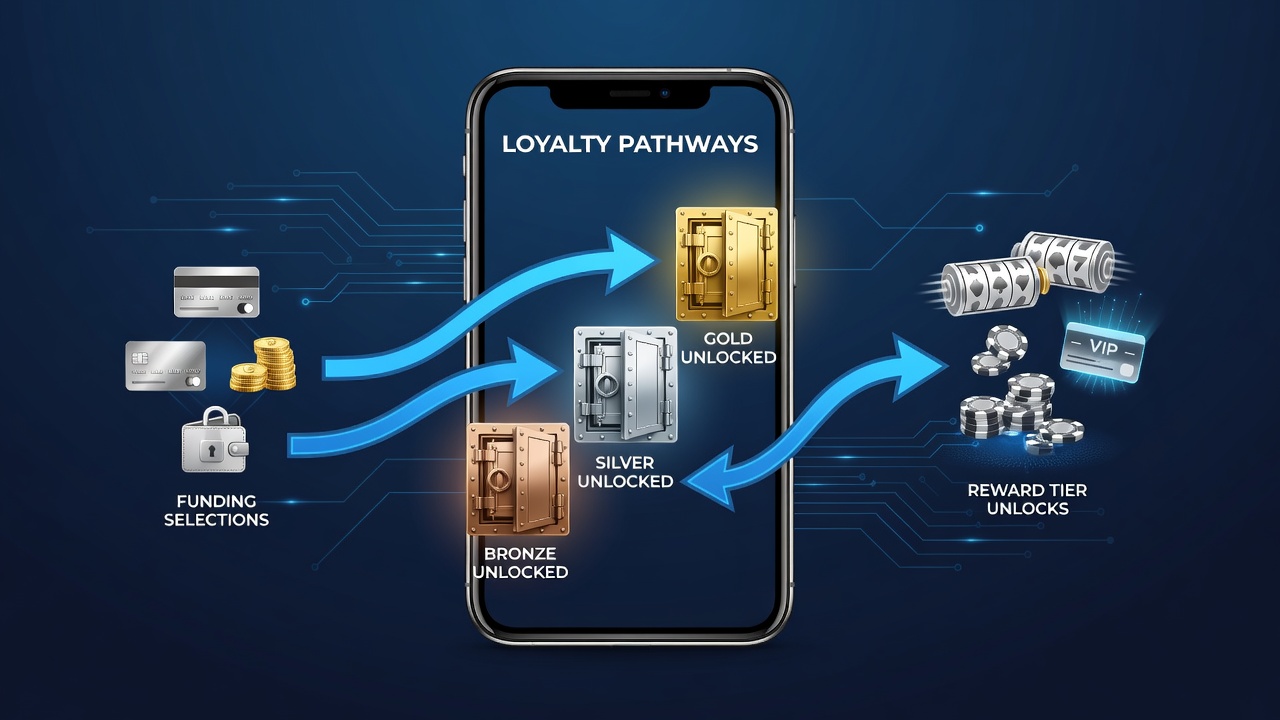
Analysts tracking mobile casino platforms have identified recurring connections between the payment methods users select and the speed at which they advance through loyalty tiers, with data from multiple operators showing measurable differences based on funding choices. These patterns emerge across apps that reward consistent deposits, withdrawal speed, and transaction volume, while smartphone interfaces track activity in real time to adjust tier status.
How Loyalty Structures Operate on Mobile Platforms
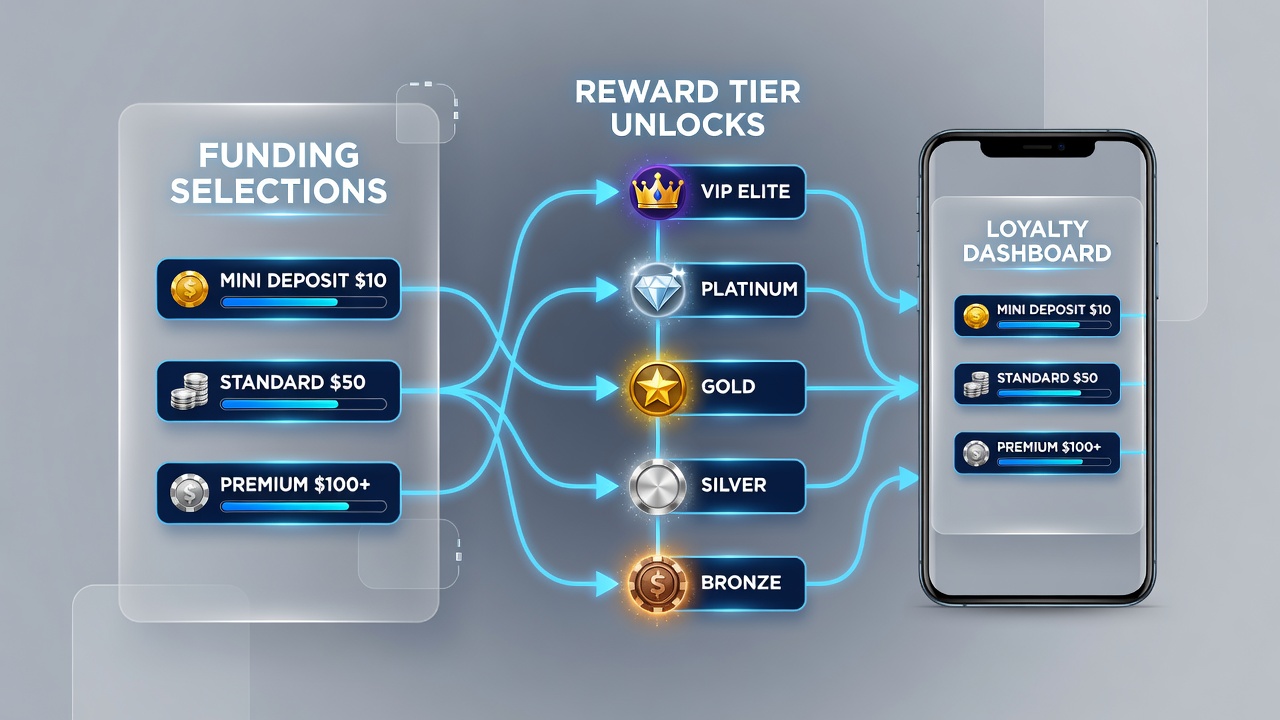
Smartphone casino loyalty programs typically organize players into tiers that unlock benefits such as bonus multipliers, exclusive game access, and faster support responses, with advancement determined by points earned through deposits and play. Funding selections influence this process because certain methods generate points at higher rates or qualify for accelerated tracking, whereas others require larger cumulative amounts before tier thresholds are reached.
Observers note that platforms integrate these rules directly into their apps so users see progress bars update immediately after each transaction, creating a direct link between the chosen funding source and visible tier movement.
Documented Connections Between Payment Types and Tier Progression
Industry reports compiled through 2026 indicate that electronic wallet deposits often correlate with quicker tier unlocks compared with traditional bank transfers, since many systems award bonus points for wallet transactions that clear instantly. Credit card funding, by contrast, tends to follow slower progression curves unless paired with high-volume activity that offsets the standard point allocation rates.
Research conducted by academic groups examining digital gambling behavior has shown that users who alternate between multiple funding sources sometimes experience irregular tier advancement, because the algorithms prioritize consistency in payment method over total spend in some cases. This creates observable clusters where players who stick to one approved method reach higher tiers earlier than those who switch frequently.
Regional Data Trends Observed in Mid-2026
Figures released in August 2026 from North American operators revealed that players using prepaid vouchers advanced to mid-level tiers at rates 18 percent higher than those relying on direct bank links, according to aggregated transaction logs. Similar patterns appeared in European markets where regulators require transparent reporting of loyalty mechanics, with data indicating that instant funding options reduce the average time to unlock premium rewards by several weeks.
Australian regulatory summaries have further highlighted how cryptocurrency-linked funding selections produce distinct progression paths, often bypassing certain lower-tier requirements when transaction volumes exceed specified thresholds within a single month.
Examples from Operator Systems
One major platform adjusted its tier algorithm in early 2026 to assign additional points for funding methods that support two-factor authentication, resulting in faster unlocks for users who selected those options. Another operator published internal metrics showing that players combining wallet deposits with regular small transactions reached top tiers more consistently than those making infrequent large transfers through slower channels.
Those who have examined loyalty data across multiple apps report that the patterns hold steady even when game selection varies, suggesting the funding-to-tier link operates independently of specific slot or table activity in many cases.
Technical Factors Driving These Patterns
App developers integrate payment gateways that feed directly into loyalty databases, so each deposit type triggers predefined multipliers or qualifiers that affect tier calculations. Security protocols attached to certain funding methods can either accelerate or delay point crediting, depending on verification steps required by the processor.
Studies from research institutions have confirmed that these backend connections create predictable outcomes, with users able to map their funding history against tier requirements to forecast future unlocks without relying on promotional estimates.
Conclusion
Patterns connecting funding selections to reward tier unlocks continue to shape how smartphone casino loyalty programs function, with data from 2026 demonstrating consistent relationships across different operators and regions. These links arise from the way payment systems integrate with point-tracking algorithms, producing measurable differences in advancement speed based on transaction method and frequency. Continued monitoring by regulatory bodies and academic researchers provides ongoing clarity on how these mechanics evolve as mobile platforms expand their loyalty frameworks.