Pennsylvania Gaming Revenue Smashes $600 Million Mark in March 2026, Powered by Online and Sports Betting Surge
Written by Alex Schmidt · Apr 20, 2026

Pennsylvania Gaming Revenue Smashes $600 Million Mark in March 2026, Powered by Online and Sports Betting Surge
Pennsylvania's gaming industry chalked up a gross gaming revenue (GGR) of $602.4 million in March 2026, marking the first time this year it crossed the $600 million threshold; that figure represents a 4.85% increase from March 2025, driven primarily by robust performances in online gaming and sports betting, while traditional retail segments showed declines.
The Big Picture: A Milestone Month for PA Gaming
Data from the Pennsylvania Gaming Control Board, as reported by Casino.org, reveals how this March haul stands out in the state's gaming landscape, where 17 casinos operate alongside a growing digital sector; figures indicate total GGR climbed to $602.4 million, up from the previous year's March total, and observers note this as the highest monthly revenue so far in 2026, fueled by shifts toward online platforms that continue to reshape the industry.
What's interesting here is the contrast between sectors; while the overall number hit a new high for the year, retail slots revenue dipped 3% to $216.2 million, and table games revenue fell 4% to $78.7 million, yet online GGR rose nearly 7% to $254.7 million, with sports betting exploding 77% to $47.8 million, pulling the entire category upward.
And that online dominance? Turns out it's becoming the engine room for Pennsylvania's gaming economy, as players increasingly turn to apps and websites for convenience, especially since the pandemic accelerated those habits; experts tracking these trends have observed how digital channels now account for a significant slice of the pie, nearly matching or exceeding brick-and-mortar outputs in key months like this one.
Diving into the Breakdown: Where the Money Flowed
Retail slots, long a staple at Pennsylvania's casinos, generated $216.2 million in March 2026, down 3% from the prior year, a dip that researchers attribute to saturation in physical venues or perhaps competition from digital alternatives; table games followed suit, posting $78.7 million, a 4% decline, as high-rollers and casual players alike gravitate toward faster-paced online options.
But here's the thing: online gaming stepped up big time, climbing almost 7% to $254.7 million, showcasing how iGaming platforms with slots, table games, and live dealer experiences are capturing market share; sports betting, meanwhile, surged an impressive 77% to $47.8 million, boosted by major events, favorable weather for in-person attendance, and expanded betting markets that include props and futures wagers.
Those who've studied Pennsylvania's gaming data point out that this mix—declining retail paired with soaring digital—mirrors patterns seen in other states like New Jersey and Michigan, where online revenue often offsets physical slowdowns; in March 2026, online and sports combined for over $300 million, more than half the total GGR, underscoring the pivot underway.
- Retail slots: $216.2 million (-3% YoY)
- Table games: $78.7 million (-4% YoY)
- Online GGR: $254.7 million (+ nearly 7% YoY)
- Sports betting: $47.8 million (+77% YoY)
Such breakdowns highlight not just growth pockets but also where operators focus investments, like bolstering server capacities for online traffic or partnering with sports leagues for betting tie-ins.
Standout Casinos: Parx and Wind Creek Lead the Pack
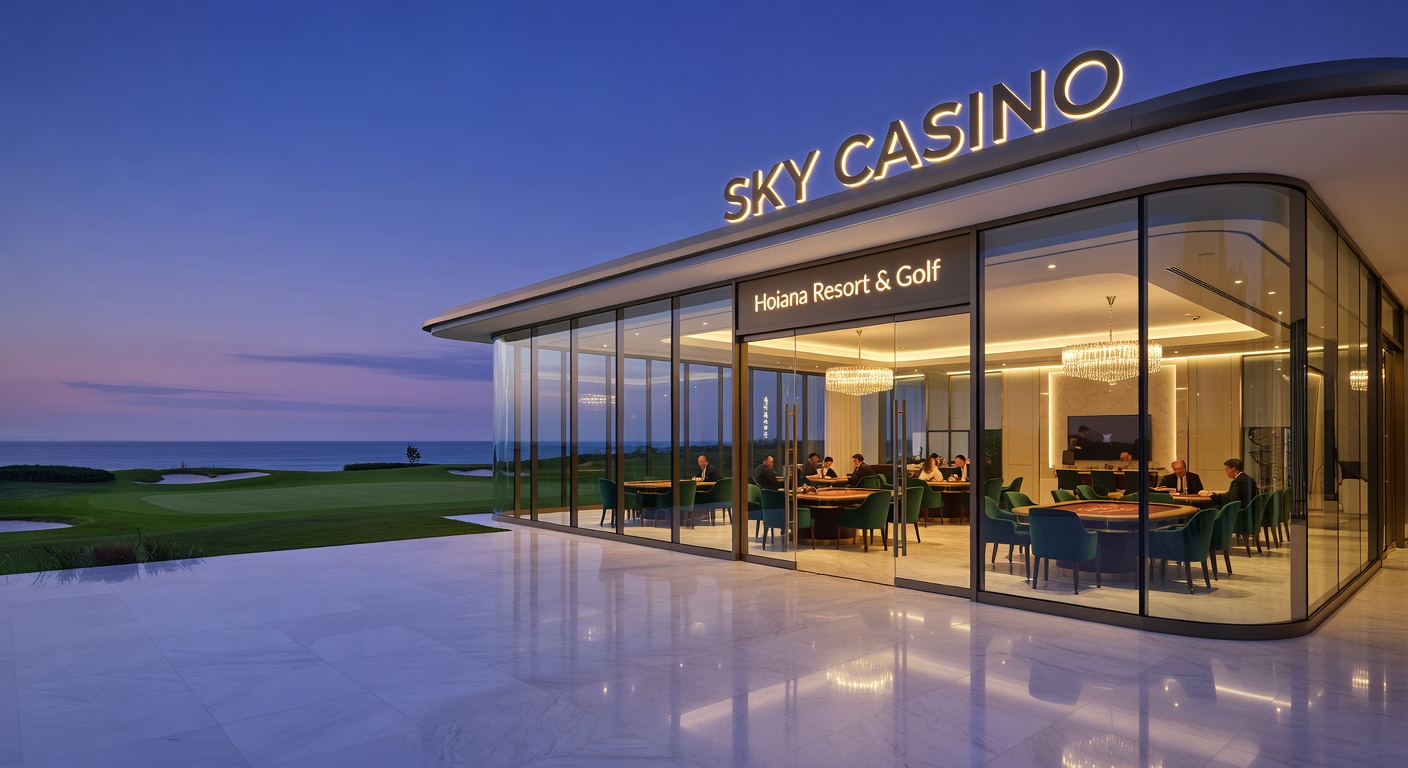
Among the state's 17 casinos, Parx Casino in Bensalem topped the charts with $50.2 million in GGR for March 2026, maintaining its position as a heavyweight thanks to its large slot inventory, popular table pits, and strong sports betting lounge; Wind Creek Bethlehem followed closely at $44.9 million, leveraging its resort-style amenities and proximity to population centers to draw crowds.
Take Parx, for instance: operators there have expanded online offerings tied to their physical brand, which likely contributed to its lead, while Wind Creek benefits from events and promotions that keep foot traffic steady even as retail slots soften overall; data shows these two properties alone accounted for nearly 16% of the month's total GGR, a testament to their scale and strategic locations in the Philadelphia and Lehigh Valley areas.
Other casinos across Pennsylvania, from Mount Airy in the Poconos to Rivers in Pittsburgh, contributed to the collective $602.4 million, but figures reveal how regional leaders like Parx and Wind Creek set the pace; observers note that properties with integrated online-sports arms tend to outperform, especially in months with high sports viewership.
It's noteworthy that while exact breakdowns per casino aren't fully detailed yet for March, preliminary April 2026 whispers suggest similar trends holding, with online still climbing amid steady physical revenues, keeping the industry on an upward trajectory into spring.
Year-Over-Year Shifts and What They Signal
Comparing March 2026 to the same month in 2025, the 4.85% overall GGR growth stems directly from those digital surges—online up nearly 7%, sports betting rocketing 77%—which more than compensated for the 3% slots drop and 4% tables decline; researchers analyzing these patterns have found that Pennsylvania's gaming revenue has fluctuated around $500-600 million monthly in recent years, but crossing $600 million first in March signals resilience.
So why the retail softness? Experts point to factors like fewer tourists post-winter, competition from neighboring states' casinos, or simply players preferring the anytime-access of apps over drives to venues; yet the online boom, now at $254.7 million, reflects regulatory tweaks allowing more operators and game varieties, drawing in younger demographics who bet on phones during commutes or evenings at home.
Sports betting's 77% jump to $47.8 million aligns with expanded legalization effects, where partnerships with pro teams and apps like FanDuel or DraftKings (active in PA) amplify handle volumes; one study from industry trackers revealed Pennsylvania's sports wagering tax revenue hitting new highs alongside this growth, benefiting state coffers for education and infrastructure.
The Broader Pennsylvania Gaming Scene
With 17 casinos dotting the map—from urban hubs like Philadelphia to rural spots like The Meadows—Pennsylvania ranks as the nation's second-largest gaming market by revenue, trailing only Nevada; March 2026's $602.4 million underscores that status, especially as online GGR now rivals physical slots, a shift that's unfolded since iGaming launched in 2019.
People in the industry often discover that months with big sports calendars, like March Madness or early MLB, propel betting handles, and this March exemplified that with the 77% surge; meanwhile, table games' 4% dip to $78.7 million might reflect poker room consolidations or blackjack side-bet fatigue, but operators adapt by cross-promoting online versions.
And looking ahead? Early April 2026 data hints at sustained momentum, with online platforms reporting steady user growth and casinos tweaking floor layouts to emphasize high-margin games; the reality is, Pennsylvania's gaming ecosystem thrives on this hybrid model, where physical venues host events while digital channels capture daily action.
Conclusion
Pennsylvania's gaming industry delivered $602.4 million in GGR for March 2026, a 4.85% year-over-year gain and the year's first $600 million-plus month, propelled by a nearly 7% rise in online gaming to $254.7 million and a 77% sports betting boom to $47.8 million, even as retail slots eased 3% to $216.2 million and tables slipped 4% to $78.7 million; leaders like Parx Casino ($50.2 million) and Wind Creek Bethlehem ($44.9 million) anchored the 17-casino field.
Figures like these paint a clear picture of digital transformation at work, with online sectors offsetting traditional declines and positioning Pennsylvania for continued strength; as April 2026 unfolds with similar vibes, the state's gaming revenue trajectory points toward steady expansion, balancing brick-and-mortar heritage with cutting-edge online innovation.