Philippines GGR Projected to Decline Sharply in 2026 Due to Regional Conflicts
Written by Alex Schmidt · Jun 6, 2026

Philippines GGR Projected to Decline Sharply in 2026 Due to Regional Conflicts
PAGCOR Chairman and CEO Alejandro Tengco stated that the Philippines’ gross gaming revenue could decline by up to 19% in 2026, falling to between Php320 billion and Php350 billion (US$5.20–5.69 billion) compared to the record Php396.1 billion (US$6.44 billion) achieved in 2025, and observers note that the primary driver behind this forecast centers on the Middle East conflict’s effects on consumer spending patterns, particularly among lower-income segments that support much of the online gambling sector.
Data from the first quarter of 2026 already showed a 22.4% drop in online gambling activity following earlier regulatory adjustments such as e-wallet de-linking, while Tengco highlighted how ongoing regional tensions have added pressure on household budgets and reduced discretionary spending across key demographics that fuel both land-based and digital gaming platforms.
Record Year Sets High Bar for Comparison
The 2025 total of Php396.1 billion marked a historic high for the Philippine gaming industry, driven by strong post-pandemic recovery in tourism and expanded operations across integrated resorts and online platforms, yet the current projection reflects a reversal tied directly to external economic factors rather than internal industry performance alone.
Analysts tracking PAGCOR data point out that the Middle East situation has created ripple effects on global oil prices and remittance flows, which in turn influence spending habits among Filipino workers and their families who form a substantial portion of the domestic player base.
Regulatory Changes Compound External Pressures
Before the Middle East conflict intensified its impact, the online segment had already absorbed a 22.4% reduction in Q1 2026 because of policy shifts including the separation of e-wallets from gaming accounts, and these measures aimed at tightening oversight but coincided with broader cost pressures that further limited player participation.
Industry reports indicate that lower-income groups, who often engage through mobile and online channels, felt the combined effects most acutely as rising living expenses left less room for recreational betting, while land-based venues experienced comparatively milder but still noticeable slowdowns in foot traffic.
Tourism Gains Offer Potential Offset
Despite the downward forecast, Tengco also referenced improving tourism indicators as a counterbalancing element, with Chinese visitor arrivals showing consistent growth that could support integrated resort revenues and partially mitigate losses in other segments throughout the remainder of 2026.
Figures from tourism authorities reveal steady increases in arrivals from key markets, which historically translate into higher spending at casino floors and entertainment facilities, and stakeholders expect these inflows to provide some stability even as consumer-side challenges persist.
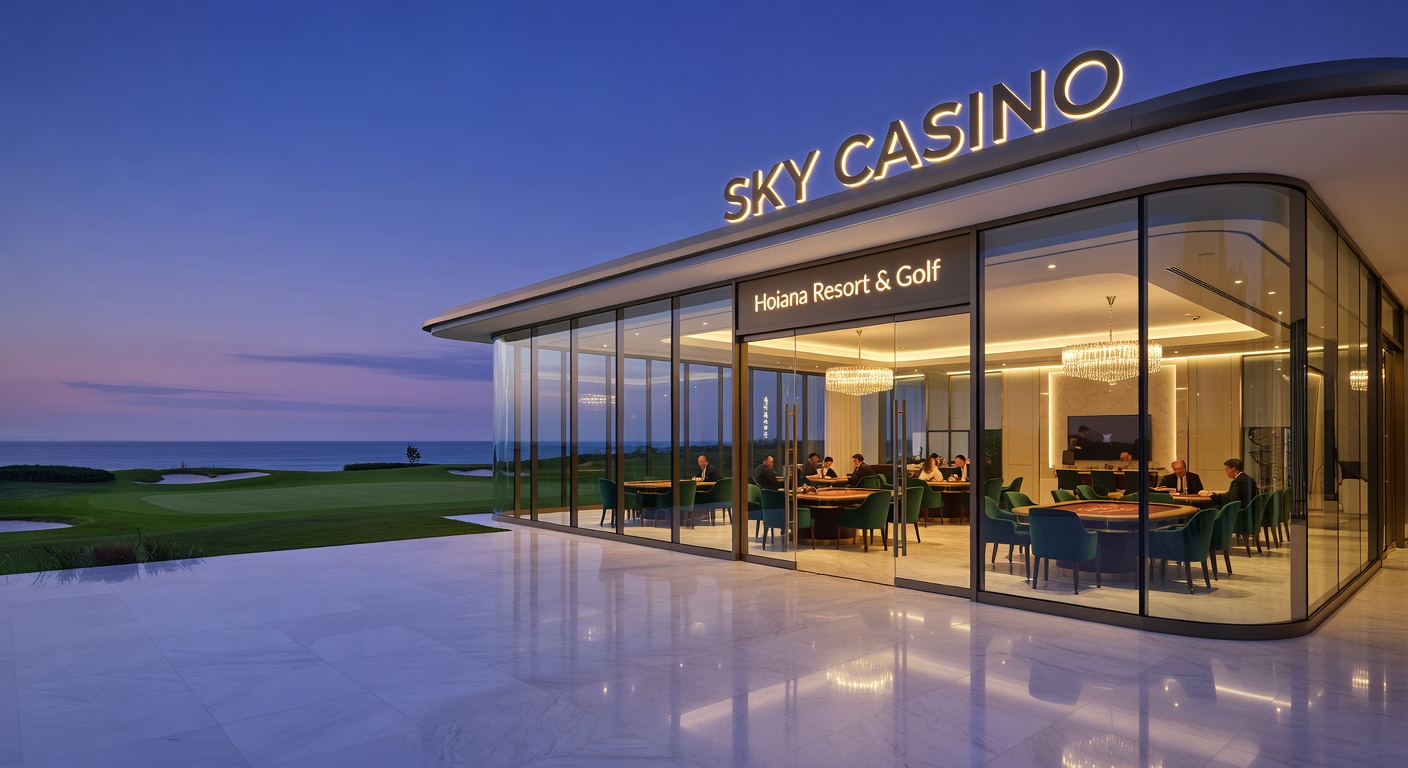
Those monitoring visitor statistics note that renewed flight connectivity and marketing efforts targeting Chinese travelers have begun to yield results, creating opportunities for operators to capture additional revenue from high-value segments that remain less sensitive to the domestic spending constraints affecting local players.
Broader Economic Context Shapes Outlook
The Middle East conflict’s influence extends beyond direct geopolitical concerns into everyday financial realities for many households, where higher energy costs and reduced remittance stability have tightened budgets and prompted more cautious approaches to discretionary activities such as online gaming, and this dynamic aligns with the observed Q1 contraction that preceded Tengco’s June 2026 warning.
PAGCOR’s statements emphasize that the projected range of Php320 billion to Php350 billion represents a prudent assessment based on current trajectories, while acknowledging that sustained tourism improvements could narrow the gap if visitor spending continues its upward trend through the second half of the year.
Industry Adaptation Strategies Emerge
Operators across the Philippines have started adjusting marketing and product offerings to retain lower-spending players through targeted promotions, while integrated resorts focus resources on attracting international guests who show resilience amid regional uncertainties, and these parallel approaches reflect the dual nature of the market as both domestically driven and tourism-supported.
Regulatory bodies continue to monitor the situation closely, with PAGCOR providing updated guidance as new data on consumer behavior and tourism flows becomes available, allowing for potential revisions to the 2026 forecast if conditions stabilize or deteriorate further.
Conclusion
The statements from PAGCOR Chairman Alejandro Tengco outline a clear expectation of reduced gross gaming revenue in 2026, with the upper end of the decline reaching 19% below the 2025 record, primarily due to the Middle East conflict’s pressure on consumer spending and its intersection with prior regulatory changes that already reduced online activity by 22.4% in the first quarter, yet rising Chinese tourist arrivals present a measurable opportunity to soften the overall impact through increased resort and gaming floor participation. PAGCOR’s 2025 GGR figures and 2026 forecast statements form the basis for these projections, which industry participants will track as the year progresses.