Player Habits and Their Influence on Premium Feature Access in Mobile Gaming Portals
Written by Katja Koch · May 20, 2026
Player Habits and Their Influence on Premium Feature Access in Mobile Gaming Portals
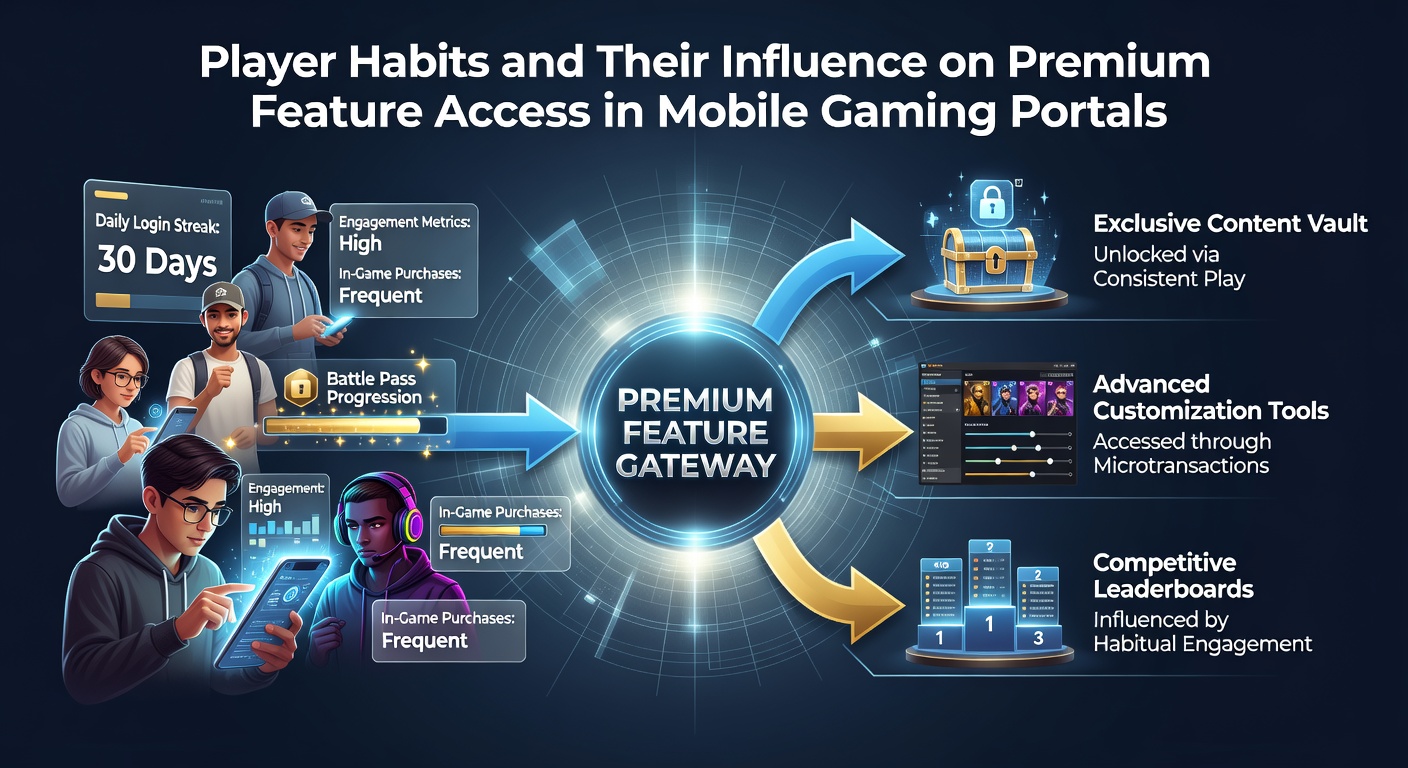
Player habits in mobile gaming portals shape how users gain entry to premium features such as exclusive levels, bonus rewards, and customized environments. These portals track login frequency, session duration, and interaction patterns to determine eligibility for upgraded access, and observers note that consistent engagement often triggers automated systems designed to reward steady participation.
Research indicates that daily logins correlate strongly with faster progression toward premium tiers across major platforms. Data collected through 2025 and into May 2026 shows that users who maintain streaks of seven or more consecutive days receive priority consideration for features like early event entry and enhanced customization options, while sporadic players encounter longer qualification periods before similar unlocks become available.
Core Habits That Drive Feature Eligibility
Session length stands out as another measurable factor. Portals record average playtime per visit, and those who sustain sessions beyond fifteen minutes activate algorithms that flag accounts for potential premium offers. Studies from academic teams at McGill University have documented how extended sessions combine with task completion rates to accelerate access, creating pathways that reward focused rather than scattered activity.
Social components also matter. Players who join in-game communities, send invites, or participate in cooperative challenges build profiles that portal systems interpret as higher value. Figures from industry reports reveal that users engaging in at least three social actions per week see improved odds of receiving invitations to closed beta tests and limited-time premium content, compared with those who play in isolation.
Spending Patterns and Engagement Loops
Payment history influences outcomes as well, yet not always in straightforward ways. Small, repeated transactions over time tend to generate steadier premium access than single large purchases, according to aggregated portal analytics shared in sector briefings. This pattern holds because recurring activity signals ongoing commitment, prompting the systems to extend loyalty-based perks such as ad removal or priority support channels.
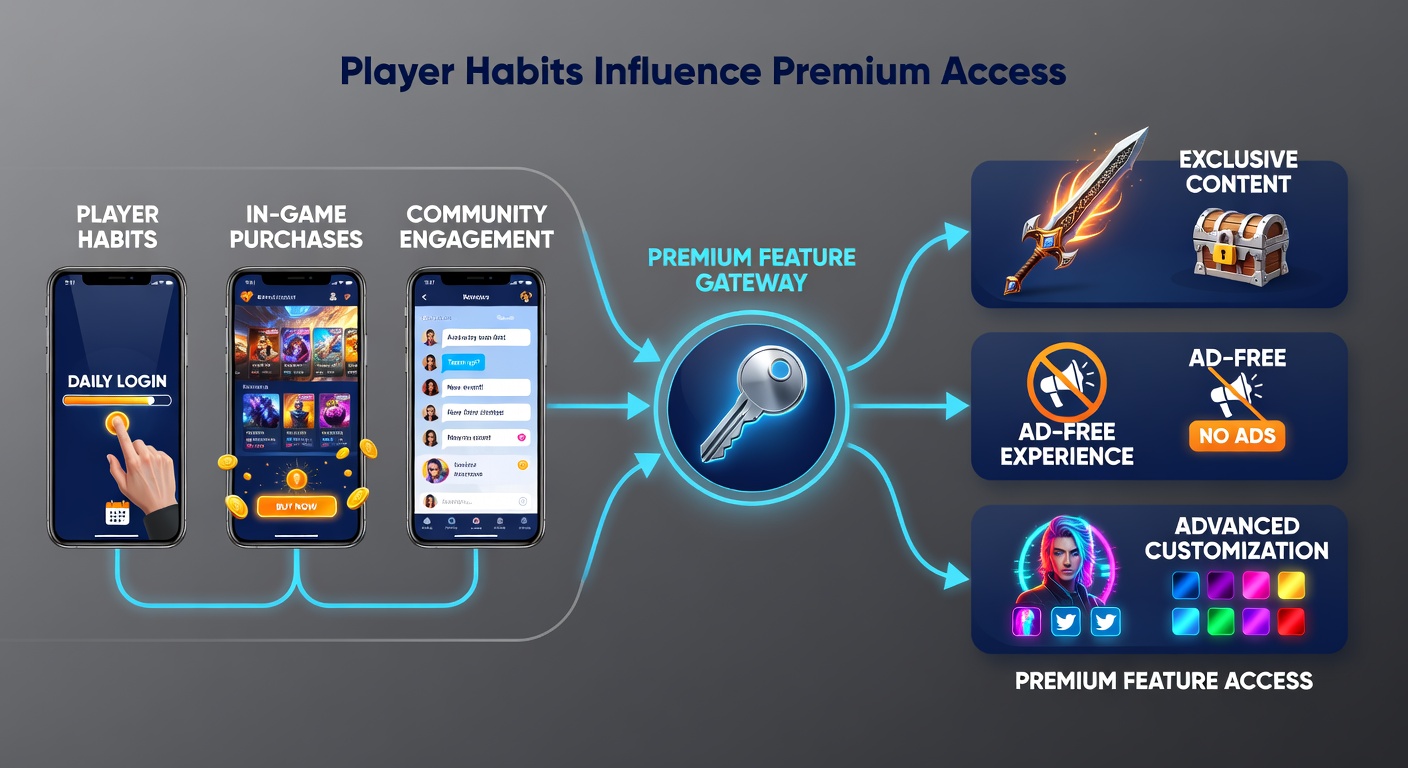
Habit formation around challenges and events further refines access rules. Completing weekly objectives, for instance, feeds into scoring models that unlock seasonal premium items. Observers tracking portal updates through May 2026 report that users finishing at least eighty percent of available challenges maintain continuous access to rotating feature sets, whereas partial participation results in temporary locks until metrics improve.
Regional Variations in Habit-Based Systems
Geographic differences appear in how these habits translate to access. Platforms operating under Canadian regulatory frameworks emphasize transparency in tracking methods, and government-linked studies from the Canadian Centre for Ethics in Sport highlight how clear communication about habit metrics helps players understand progression requirements. In contrast, markets with lighter oversight rely more heavily on opaque algorithms that reward volume of play without detailed user feedback.
Cross-border comparisons show additional nuance. Reports issued by the Australian Communications and Media Authority document that Australian users who combine high session frequency with community contributions reach premium status roughly twenty percent faster than peers in less regulated environments, largely because local portals integrate public performance benchmarks into their eligibility criteria.
Algorithmic Responses to Behavioral Signals
Portal developers adjust weighting formulas regularly. When habit data indicates rising churn rates, systems may temporarily lower thresholds for premium unlocks to retain users. Analysts following these adjustments note that such recalibrations occur most often after quarterly reviews, with May 2026 seeing several major portals introduce softer criteria for returning players who previously demonstrated strong early engagement.
Device and timing habits add another layer. Logins during peak evening hours combined with use of specific device types sometimes receive extra scoring weight, because these patterns align with higher retention probabilities. Research summaries published by the Interactive Games & Entertainment Association confirm that portals incorporate these signals alongside traditional metrics to fine-tune feature distribution.
Conclusion
Player habits function as primary inputs for premium feature allocation in mobile gaming portals. Login consistency, session depth, social participation, and spending cadence each contribute measurable signals that automated systems translate into access decisions. Data gathered through early 2026 demonstrates that these patterns operate across regions with varying degrees of regulatory influence, yet the underlying mechanics remain focused on sustained engagement rather than isolated actions. Continued observation of these systems will clarify how evolving player routines continue to intersect with access protocols in the months ahead.