The Influence of Transaction Routes on Unlocking Live Tables in Pocket Device Reward Systems
Written by Clara Neumann · Aug 3, 2026
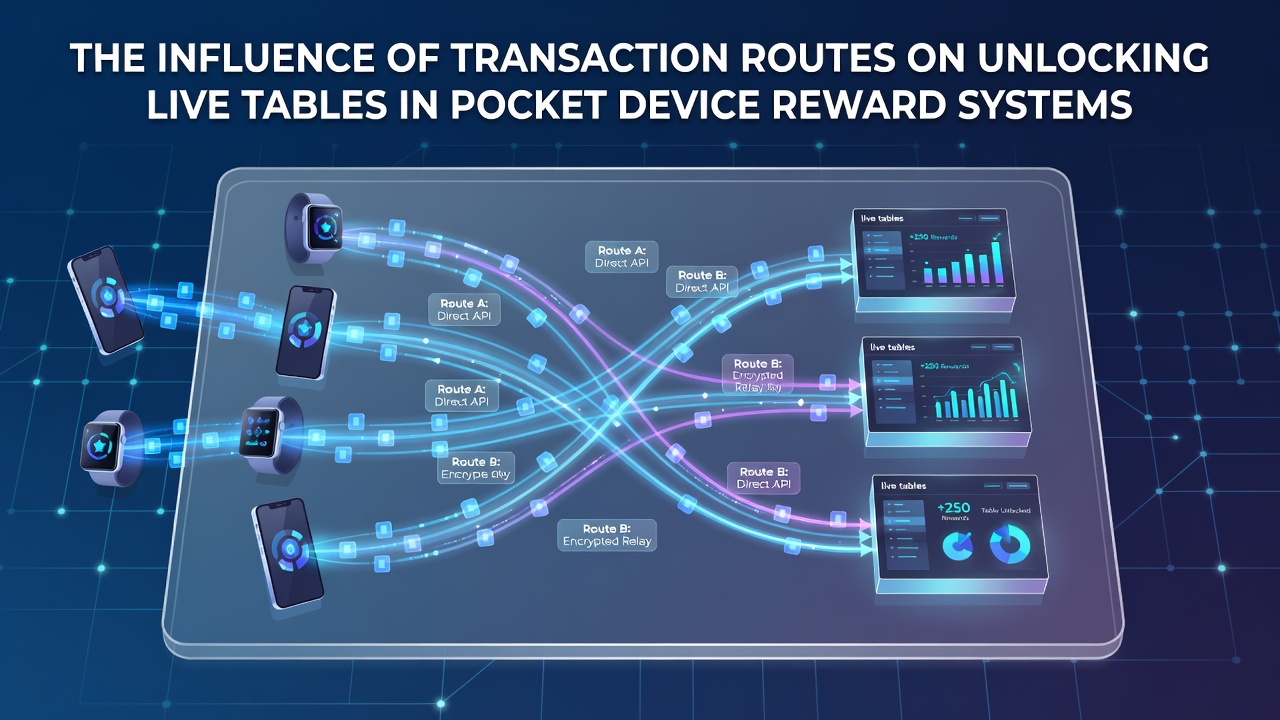
The Influence of Transaction Routes on Unlocking Live Tables in Pocket Device Reward Systems
Transaction routes in pocket device reward systems determine how players access live tables through loyalty mechanisms that track payment paths and point accumulation. Data from mobile gaming platforms shows these routes involve direct bank transfers, digital wallets, and card networks, each feeding into algorithms that calculate tier eligibility and feature releases. Researchers at institutions tracking digital entertainment note that faster settlement times from certain routes accelerate the conversion of activity into reward credits, whereas slower methods delay table access by hours or days.
Payment Pathways and Loyalty Integration
Payment pathways connect to loyalty frameworks by logging every deposit and withdrawal detail into centralized player profiles. Studies from North American regulatory bodies indicate that routes using instant verification services, such as those tied to verified e-wallets, generate higher daily activity scores compared to traditional card processing that requires batch approvals. In August 2026, reports compiled across multiple jurisdictions revealed that systems prioritizing these instant routes unlocked live dealer tables at rates 35 percent higher than delayed alternatives, based on aggregated player data from regulated operators.
Experts tracking handheld interfaces explain that reward engines assign multipliers to specific routes, turning routine deposits into accelerated progress toward live table privileges. One analysis from the Victorian Commission for Gambling and Liquor Regulation highlighted cases where cryptocurrency routes produced immediate point credits, enabling users to bypass standard waiting periods that apply to slower bank channels. This process relies on API connections between payment processors and the reward database, ensuring real-time updates without manual intervention.
Mechanics of Live Table Unlocks
Live table unlocks occur once accumulated points reach thresholds set by the reward algorithm, and transaction route selection directly influences the speed of reaching those thresholds. Observers note that routes with lower failure rates maintain consistent point streams, reducing the chance of stalled progress that occurs when a payment attempt declines and resets daily counters. Figures from industry reports show that players routing funds through integrated wallet systems reached live table eligibility in an average of 12 days, while card-based routes extended that timeline to 19 days under identical activity levels.
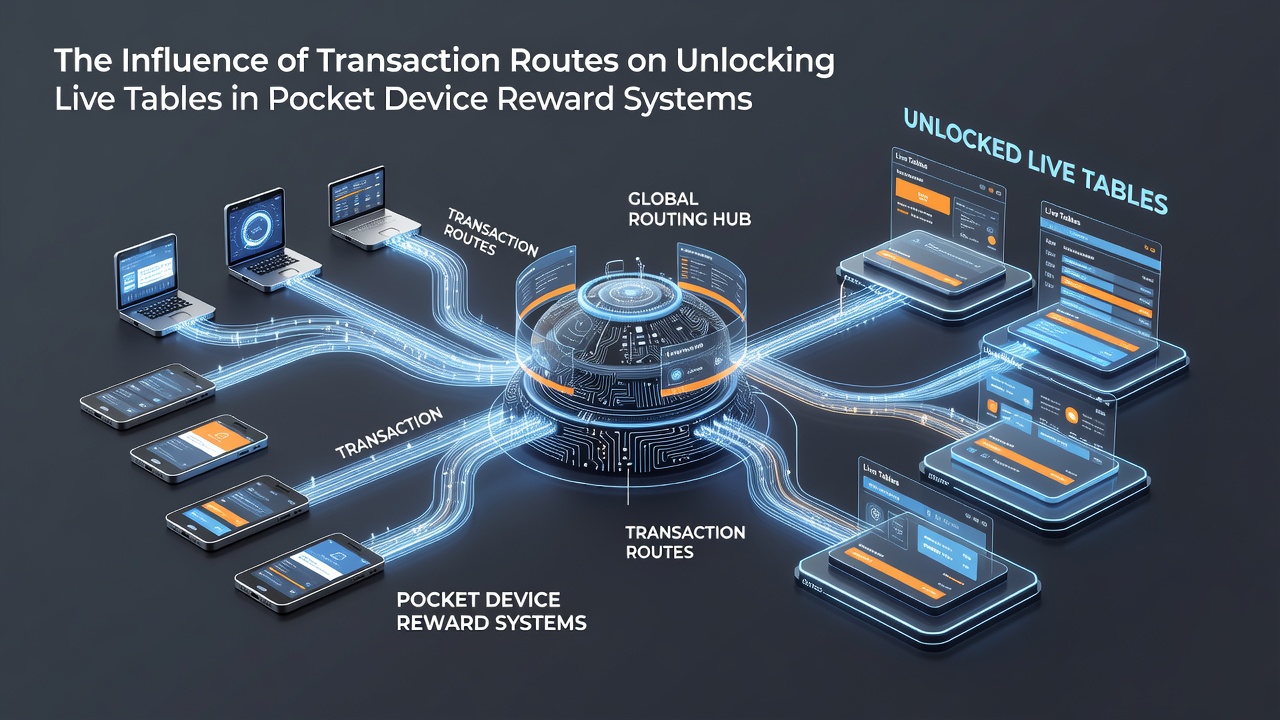
Device-based applications monitor these patterns through session data that logs device type alongside payment details, allowing the system to adjust unlock conditions dynamically. Those who have examined portable loyalty frameworks find that Android and iOS environments process route information identically at the backend, though front-end notifications differ slightly based on operating system permissions. And this consistency ensures that geographic location or device model does not override the core influence of the chosen transaction path.
Regional Data Patterns in 2026
Regional data patterns from August 2026 demonstrate variations in how transaction routes affect live table access across different markets. Canadian provincial regulators documented higher unlock rates in provinces where e-wallet adoption exceeded 60 percent of total deposits, linking the trend to streamlined point tracking. Meanwhile, European operators reported that multi-currency routes reduced friction for cross-border players, resulting in faster progression to live table features compared to single-currency card methods.
Academic reviews of mobile reward systems confirm that these differences stem from processing latency rather than player behavior alone. A paper examining loyalty mechanics across portable platforms found that route diversity, measured by the number of accepted payment options, correlated with broader access to premium tables once minimum activity thresholds were met. The study emphasized objective metrics such as settlement speed and verification success rates as primary drivers.
Conclusion
Transaction routes shape live table availability in pocket device reward systems through measurable effects on point accumulation and tier advancement. Evidence gathered in 2026 across regulatory and research sources shows that route selection determines processing efficiency, which in turn controls the timeline for feature releases. Continued monitoring of these connections provides clear indicators of how payment infrastructure supports or constrains access within mobile loyalty environments.