Tracing Deposit Preferences to Expanded Game Libraries in Handheld Casino Loyalty Programs
Written by Clara Neumann · Jul 27, 2026
Tracing Deposit Preferences to Expanded Game Libraries in Handheld Casino Loyalty Programs
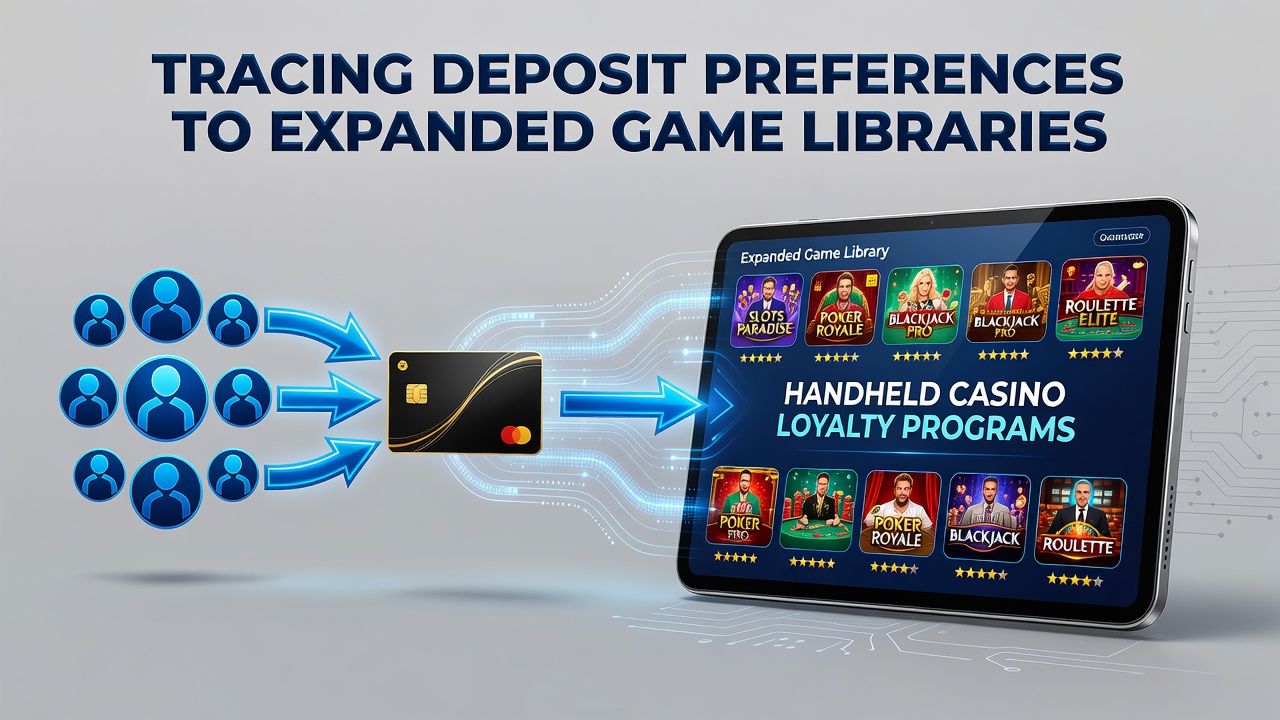
Handheld casino loyalty programs now track deposit preferences in detail, and those patterns directly shape which games become available to players at different tiers. Systems log everything from credit card transactions to digital wallet transfers, then adjust access rules accordingly, so a player who favors one method might unlock dozens of additional titles while another stays limited to core selections. In July 2026 several platforms rolled out refreshed tracking dashboards that highlight these connections more clearly than before.
Deposit Methods and Loyalty Data Integration
Operators collect data on transaction types at signup and during regular play, then feed that information into algorithms that predict engagement levels and reward consistency with broader game catalogs. Credit card deposits often signal higher spending volumes, while e-wallet or prepaid options correlate with steadier but smaller activity, and loyalty engines adjust unlock thresholds based on those histories. Researchers at the University of Nevada, Las Vegas have documented how these variables influence tier progression rates across multiple jurisdictions.
One study tracked several thousand accounts over six months and found that players using instant bank transfers reached expanded libraries roughly 18 percent faster than those relying on traditional cards, largely because the systems reward speed and verification ease with quicker point multipliers. Those findings align with reports from the American Gaming Association, which note similar patterns in mobile segments during the first half of 2026.
Game Library Expansions Tied to Preferences
Once a loyalty profile registers a preferred deposit channel, the platform unlocks additional slots, table games, and live dealer options that remain hidden from lower or mismatched tiers. Progressive jackpot networks and exclusive themed releases frequently sit behind these gates, so deposit consistency becomes a practical key rather than an arbitrary bonus. Observers note that handheld interfaces display new titles in real time once the threshold clears, creating a visible link between payment behavior and content availability.
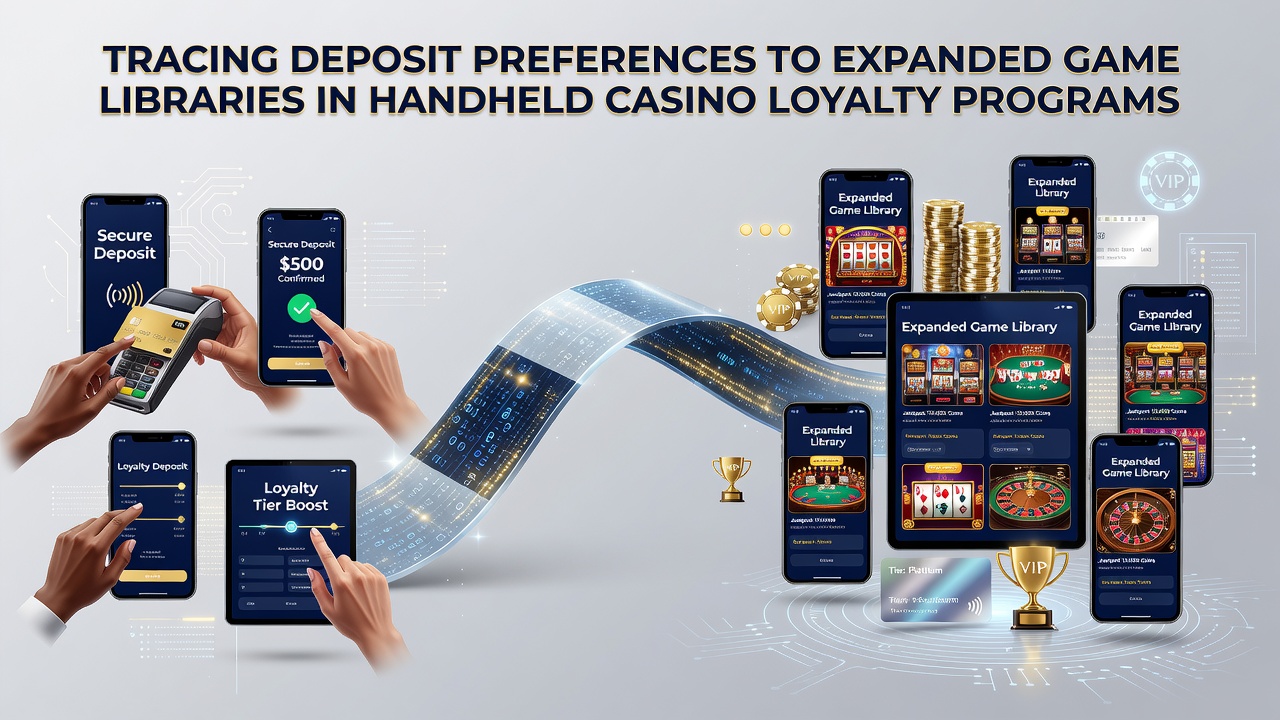
Take one regional operator that introduced a tiered library system in early 2026; accounts favoring cryptocurrency transfers gained immediate entry to 120 new titles, whereas card-only users needed an extra month of consistent activity to match that count. Data shows the difference stems from reduced processing fees and faster settlement times that the loyalty engine treats as higher-value signals.
Regional Patterns and Regulatory Context
European operators following guidelines from the European Gaming and Betting Association have begun publishing quarterly summaries that break down deposit-to-library correlations by country, revealing that Nordic markets see faster unlocks for e-wallet users compared with Southern Europe where card preferences dominate. North American programs mirror some of these trends yet add sports betting crossovers that further expand game selections once loyalty milestones hit.
Canadian provincial regulators have released similar aggregates showing that loyalty members who rotate between two or more deposit methods achieve the widest libraries, because diversified profiles trigger broader algorithmic rewards. These reports emphasize measurable outcomes such as average titles accessed per account rather than qualitative assessments.
Technical Tracking Mechanisms
Backend systems use encrypted logs to connect each deposit event with subsequent library requests, then apply rule sets that scale access based on frequency, amount, and method type. Developers update these rules seasonally, and July 2026 updates introduced finer granularity for distinguishing between recurring scheduled transfers and one-off large deposits. The result appears in player dashboards as dynamic counters that display remaining activity needed for the next batch of games.
Security protocols ensure the mapping stays accurate even during high-volume periods, preventing mismatches that could frustrate users or violate compliance standards. Industry reports indicate that platforms employing these refined trackers experience measurable increases in session lengths once libraries expand, because new content keeps engagement levels elevated.
Conclusion
Deposit preferences function as direct inputs to loyalty algorithms that control game library breadth in handheld casino environments, and operators continue refining those connections through updated data models and regional compliance frameworks. Figures from multiple sources illustrate consistent patterns where method choice and consistency determine how quickly players reach expanded selections, with 2026 updates reinforcing the traceability between transaction data and content access across major markets.