Tracing how AI-driven personalization tools reshape access patterns to specialized slot features across wireless gaming platforms
Written by Ines Richter · Aug 26, 2026
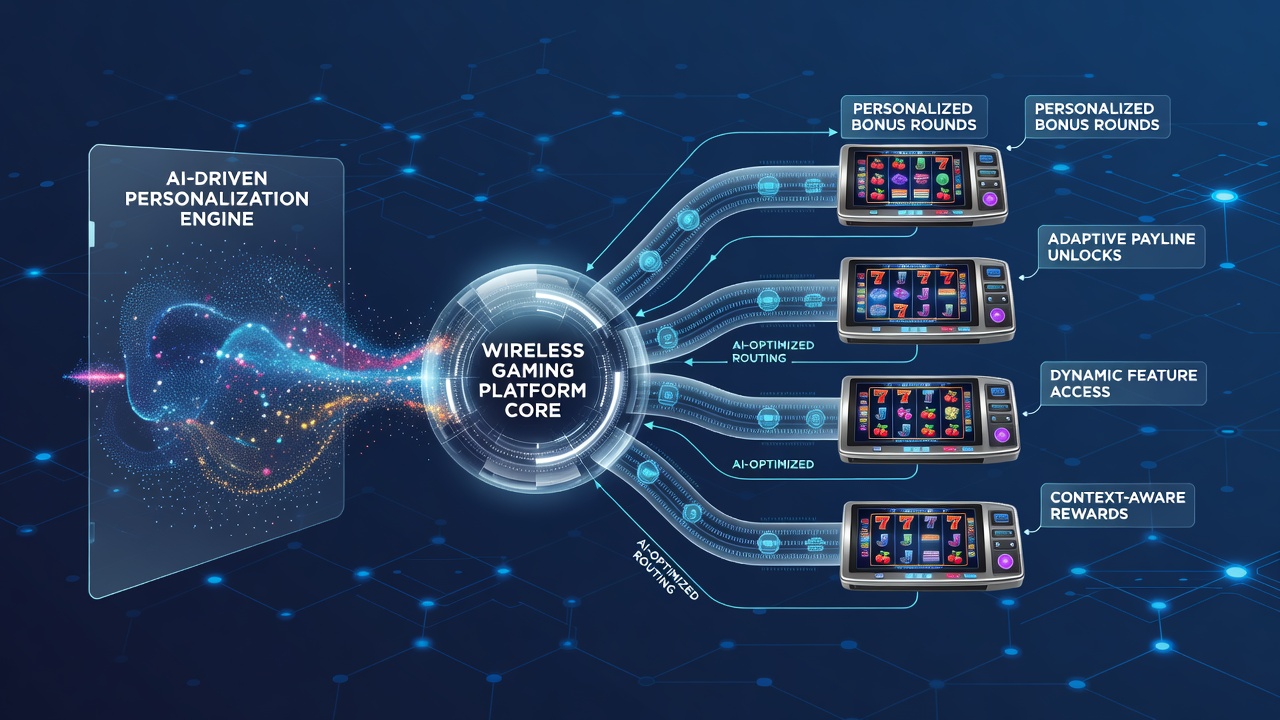
Tracing how AI-driven personalization tools reshape access patterns to specialized slot features across wireless gaming platforms
AI-driven personalization tools now analyze player behavior data in real time across wireless gaming platforms and adjust which specialized slot features become available during sessions, according to industry reports released in mid-2026. These systems track metrics such as session duration, bet patterns, and interaction frequency, then modify access to elements like multiplier rounds, progressive jackpots, and exclusive bonus levels without requiring direct player requests. Observers note that this shift has altered traditional access pathways that once depended solely on random number generators or fixed loyalty thresholds.
Mechanisms Behind AI Personalization in Mobile Slot Environments
Wireless platforms integrate machine learning models that process anonymized gameplay data streams from handheld devices, and these models predict which specialized features align with individual engagement histories while maintaining regulatory compliance standards. Researchers have documented cases where algorithms prioritize feature unlocks based on prior play frequency, so a player who frequently engages with high-volatility slots might receive earlier access to advanced chase mechanics than one with shorter sessions. Data from platform operators indicates that such adjustments occur through dynamic tiering systems that update every few minutes during active connections, and this process relies on edge computing to minimize latency on mobile networks.
Changes in Access Patterns Observed Through 2026
Studies conducted through the first half of 2026 reveal that players on wireless platforms encounter specialized slot features at different intervals compared to earlier desktop-centric models, with AI tools creating pathways that favor repeated micro-interactions over sustained single sessions. For instance, one analysis showed increased availability of layered bonus triggers for users who alternate between short bursts of play across multiple games, whereas fixed access rules previously limited such unlocks to cumulative time thresholds. Figures from regional operators highlight that wireless traffic now accounts for over 70 percent of slot feature engagements in monitored markets, and AI personalization contributes to this distribution by routing users toward features that match their historical retention signals.
Platforms have adopted reinforcement learning techniques that refine these access rules daily, drawing on aggregated datasets to balance feature distribution and prevent overexposure among any single demographic group. Those who monitor regulatory filings note that operators must document these algorithmic decisions to satisfy oversight requirements in jurisdictions including several U.S. states and Australian territories, where rules updated before August 2026 emphasize transparency in automated decision-making.
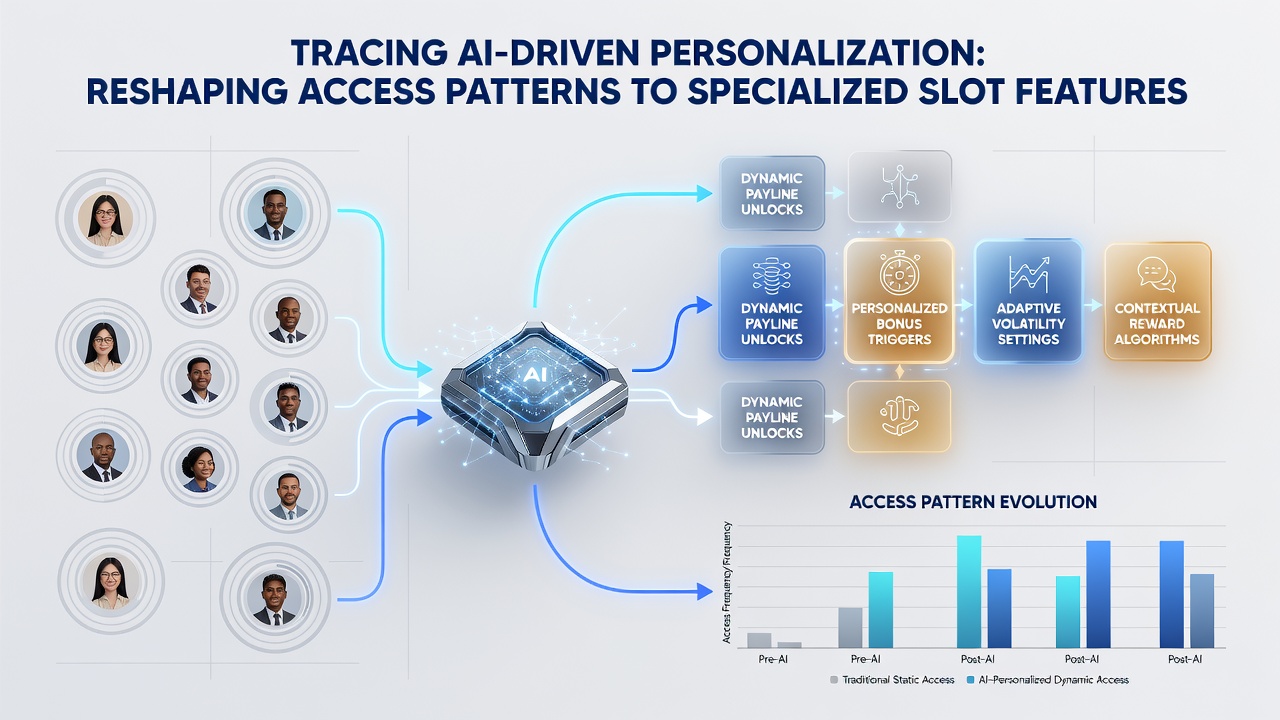
Integration With Loyalty Frameworks on Portable Devices
Loyalty programs on wireless platforms now incorporate AI outputs to determine when specialized slot features appear within personalized menus, and this integration connects transaction histories with feature eligibility in ways that differ from static point-based systems. Data indicates that players who complete certain deposit patterns receive prioritized access to experimental mechanics, such as community jackpot pools or adaptive reel modifiers, while teh underlying models continuously recalibrate based on collective usage trends. Reports compiled by research institutions show that this approach has expanded the variety of unlockable elements available through mobile interfaces, with operators reporting higher engagement rates for features that surface through predictive rather than sequential methods.
Wireless network advancements have supported these capabilities by enabling faster data exchange between devices and central servers, so personalization decisions reflect the most recent activity without noticeable delays. Experts tracking platform updates point out that several major providers implemented enhanced AI modules during the spring of 2026, which coincided with broader adoption of 5G connectivity in key markets and allowed more granular control over feature visibility across user segments.
Regulatory and Technical Considerations in Current Deployments
Regulatory bodies in North America and parts of Asia have issued guidance on the use of AI for access modulation, requiring that systems preserve fair play standards while permitting personalization layers that do not alter core probability calculations. According to information from the American Gaming Association, operators must maintain audit trails that demonstrate how AI recommendations align with established game rules, and similar expectations appear in documentation from the European Gaming and Betting Association. These frameworks address concerns around equitable distribution, ensuring that specialized slot features remain attainable through multiple routes even when AI influences the primary pathway.
Technical implementations often combine on-device processing with cloud-based analytics, which allows platforms to deliver tailored experiences while limiting the transmission of sensitive behavioral data. Observers have recorded that such hybrid setups became standard in several wireless offerings by August 2026, supporting both personalization depth and compliance with data protection protocols across different regions.
Conclusion
AI-driven personalization continues to influence how specialized slot features reach players on wireless gaming platforms through ongoing refinements in data analysis and access logic. Platform operators report that these tools have expanded the range of available mechanics while adhering to regulatory parameters established in recent years. Continued monitoring of usage statistics and compliance documentation will track further evolution in these access patterns as wireless infrastructure develops.