Tracing Pathways from Digital Wallet Choices to Tailored Game Unlocks Across Portable Loyalty Frameworks
Written by Ines Richter · Jun 8, 2026
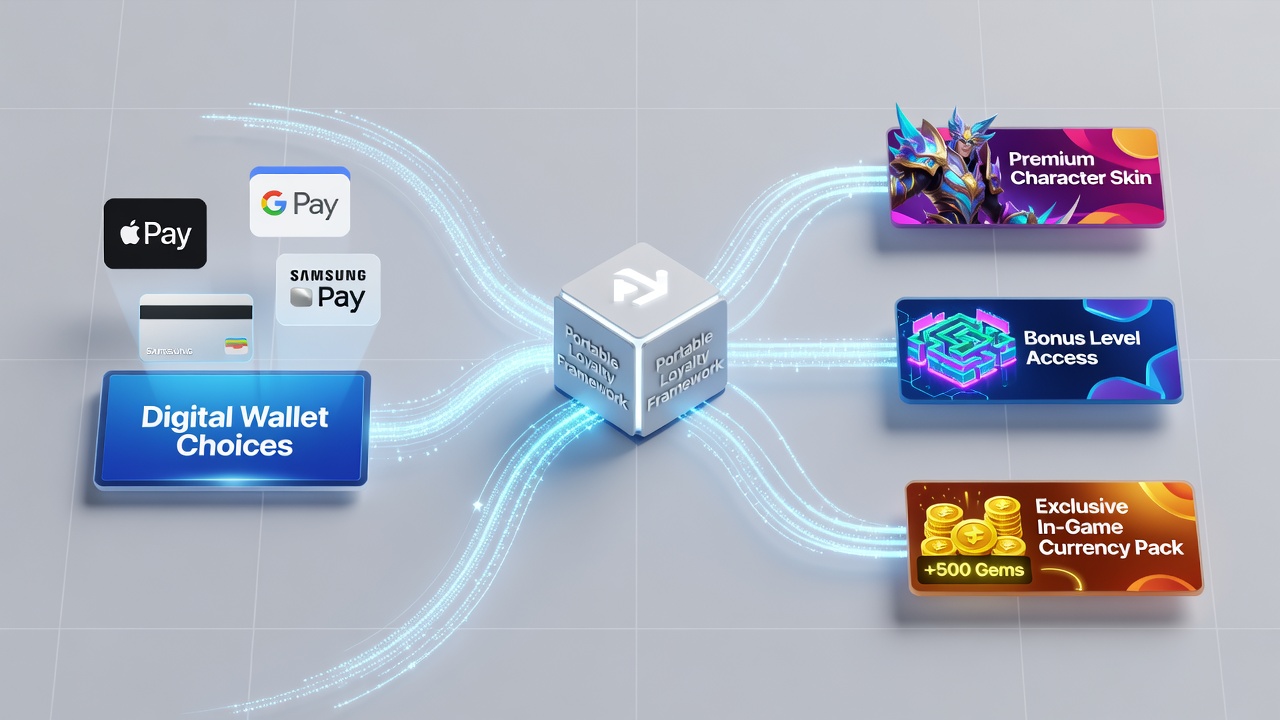
Tracing Pathways from Digital Wallet Choices to Tailored Game Unlocks Across Portable Loyalty Frameworks
Digital wallet selections have become central entry points for users navigating mobile gaming environments where loyalty frameworks operate across portable devices. These choices determine how transaction data flows into reward systems that track activity and deliver customized unlocks for specific games or features. Observers note that platforms integrate wallet providers such as Apple Pay, Google Pay, and various cryptocurrency options directly into their loyalty engines so that each deposit or transfer registers as a data point that influences tier progression and feature availability.
Wallet Integration Patterns in Mobile Loyalty Systems
Portable loyalty frameworks rely on API connections between digital wallets and gaming servers to log user behavior in real time while maintaining compliance with regional payment regulations. Data from transaction logs feeds into algorithms that assign points based on wallet type, transaction frequency, and amount thresholds. Researchers have documented how certain wallets trigger faster point accrual because their backend systems provide richer metadata that loyalty platforms use to refine personalization. This process creates direct pathways where initial wallet choices shape the types of game unlocks a user can access at different loyalty stages.
Those who've examined these systems find that cryptocurrency wallets often connect to specialized reward tiers unavailable through traditional fiat options because they enable quicker settlement times and lower processing fees. In contrast, established mobile payment services integrate with broader loyalty databases that span multiple gaming titles across a single portable framework. The result is a branching structure where each wallet decision opens distinct routes toward tailored content such as exclusive character skins, bonus rounds, or early access to new game levels.
Pathways from Transactions to Customized Unlocks
Once a wallet processes a transaction, the loyalty framework maps that activity against predefined criteria for unlock eligibility. Points accumulate through a combination of deposit volume, play duration, and consistency metrics, with wallet-specific multipliers applied in many cases. A user selecting a wallet that supports instant verification might reach intermediate tiers sooner, unlocking game elements like custom avatars or limited-time challenges that remain locked for slower-progressing accounts.
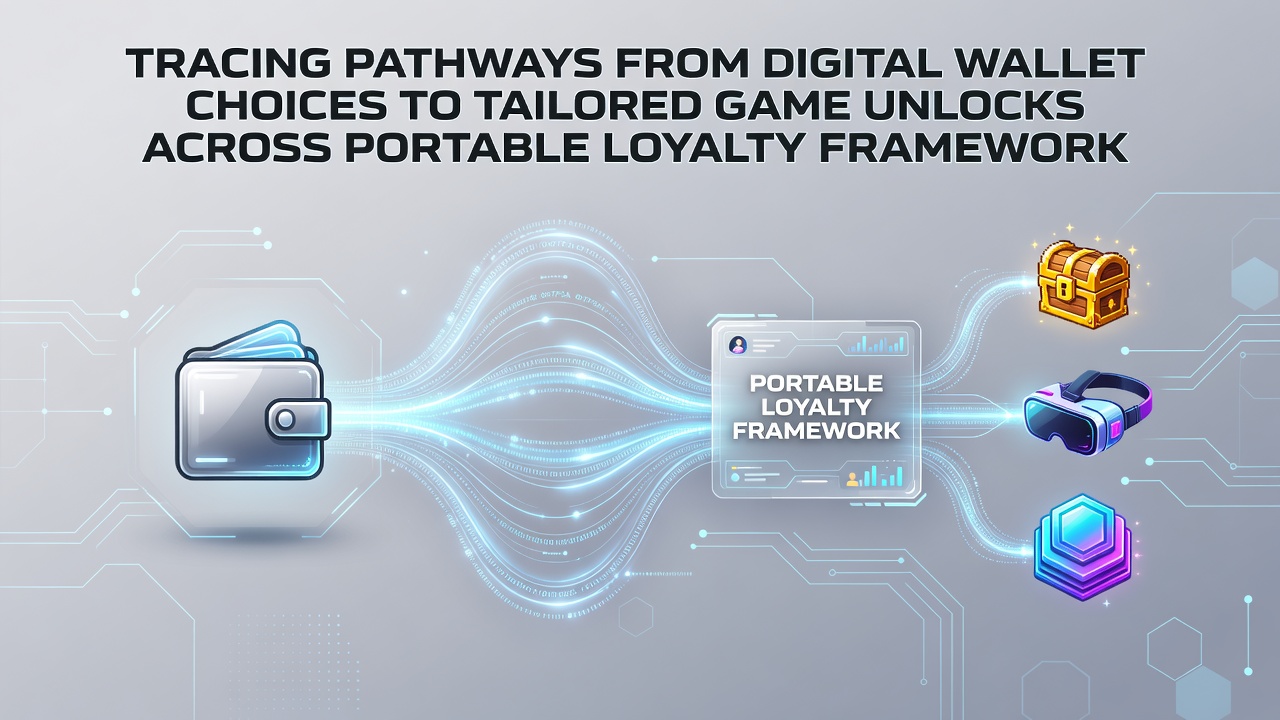
Studies conducted by academic teams at institutions focused on digital economies have shown that these pathways become more intricate when frameworks incorporate cross-device synchronization. A player who begins on one portable device and switches wallets mid-session encounters adjusted unlock conditions based on the new payment source. This adaptability allows loyalty systems to maintain continuity while still tailoring rewards to the specific characteristics of each wallet used during the activity cycle.
Developments Observed Through Mid-2026
By June 2026, several portable gaming platforms had expanded their loyalty integrations to include additional wallet providers following updates to cross-border payment standards in multiple jurisdictions. Industry reports indicate increased adoption of wallets that embed loyalty identifiers at the point of transaction, which streamlines the data flow and reduces latency between payment confirmation and unlock activation. Figures released through gaming association channels reveal that users engaging with these enhanced frameworks experienced a measurable rise in personalized content delivery compared with earlier system versions.
Regulatory bodies in regions such as Australia and parts of the European Union have issued guidance encouraging transparency in how wallet data influences loyalty outcomes. This guidance has prompted developers to publish clearer documentation on the algorithms that convert transaction patterns into game-specific rewards. Observers tracking these changes note that the documentation helps users understand why certain wallet selections lead to faster access to tailored unlocks while others follow longer progression paths within the same portable framework.
Technical Mechanisms Driving Customization
Loyalty engines employ machine learning models trained on aggregated wallet and gameplay datasets to predict which unlocks will align with individual usage patterns. These models process variables including wallet security features, geographic origin of funds, and historical redemption behavior to generate recommendations that appear as tailored game options. The models update continuously as new transaction data arrives, allowing unlocks to evolve alongside a user's shifting preferences across different portable sessions.
One documented case involves frameworks that link specific wallet providers to themed game content, such as adventure titles unlocked only through wallets that support micro-transactions in multiple currencies. Another example shows loyalty systems granting progressive access to competitive modes when users consistently choose wallets that facilitate rapid, small-value transfers. These mechanisms demonstrate how the initial choice of digital wallet sets the foundation for a sequence of unlocks that remain unique to each account's transaction history.
Conclusion
The connections between digital wallet choices and tailored game unlocks within portable loyalty frameworks form structured pathways shaped by transaction data, algorithmic processing, and regulatory influences. As platforms continue refining these integrations through 2026 and beyond, the precision of customization improves through better metadata handling and cross-device synchronization. Data from multiple sources, including Australian government gaming oversight materials and reports issued by the European Gaming and Betting Association, confirms that wallet selection remains a primary determinant of how users progress through loyalty tiers and access personalized game content on mobile environments.